
Color temperature describes the color characteristics of light, indicating its hue. Measured in degrees Kelvin (K), it ranges from warm (lower values) to cool (higher values). For instance, a candle flame is around 1900K, while midday sunlight can reach 5000K or more. This study guide from KayTai will help you understand color temperature so you can choose the right LED strip lighting for any space.

Inhaltsverzeichnis
1. What Is Color Temperature?
Black body radiation refers to how an ideal object absorbs all incident light and emits radiation as it heats up. As the temperature increases, the emitted light shifts from red to blue. This principle underpins our understanding of color temperature and the Kelvin scale.
Warm (2700K)
Yellowish-white, cozy, like incandescent bulbs.
Neutral (4000K)
Balanced white, great for workspaces.
Cool (5000K+)
Bluish-white, bright, energizing daylight.
💡 Warm light (2700K) promotes relaxation and comfort. Cool light (5000K) enhances alertness and focus.
2. 2700K Lighting: Warm and Inviting
Lighting at 2700K appears warm and yellowish-white, similar to traditional incandescent bulbs. This cozy glow creates an intimate atmosphere, making it perfect for living rooms, bedrooms, restaurants, and art galleries. See our full 2700K vs 3000K vs 5000K vs 6500K guide.
3. 5000K Lighting: Bright and Energizing
In contrast, 5000K lighting looks cool and bluish-white, resembling daylight. This bright light is invigorating and ideal for commercial spaces, outdoor lighting, and task lighting where visibility is key.
4. The Impact of Color Temperature on Mood
Color temperature can significantly affect mood and behavior. Warm light (2700K) promotes relaxation and comfort, while cool light (5000K) enhances alertness and focus. Exposure to cooler light in the evening may disrupt sleep patterns, making it essential to choose the right temperature for different times of day.
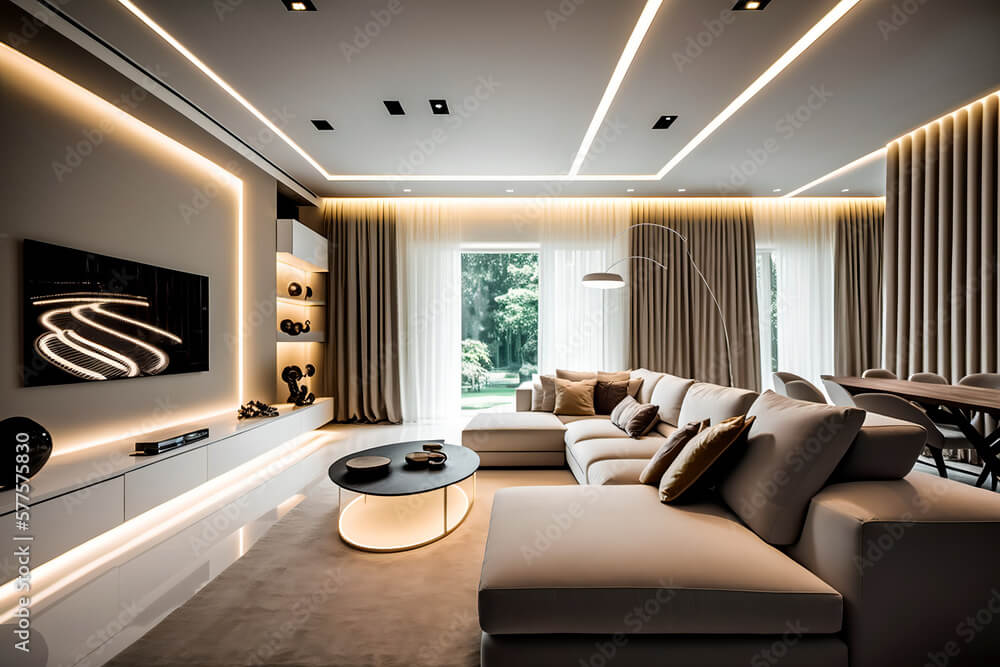
Energy efficiency of LED bulbs: when comparing 2700K and 5000K LED bulbs, there’s little difference in energy efficiency. Both types can be energy-efficient if they are LEDs or other energy-saving options. Layered lighting combines various types of illumination — ambient, task, and accent — to create a functional space. This technique allows for different color temperatures tailored to specific activities, enhancing both aesthetics and usability.
5. Tunable White LED Technology and CRI
Tunable white LED technology enables users to adjust the color temperature of lighting fixtures. This flexibility allows for creating different ambiances throughout the day or adapting to various activities. CRI stands for Colour Rendering Index, which measures how accurately a light source renders colors compared to natural light. A high CRI indicates better color accuracy, making it crucial for settings like art galleries or retail spaces where true color representation is vital.

💡 Color temperature also influences plant growth significantly: cooler light (5000K–6500K) promotes vegetative growth, while warmer light (2700K–3000K) encourages flowering and fruiting.
6. Choosing Color Temperature for Different Spaces
When selecting color temperature for spaces like home offices or restaurants, consider the intended use and desired ambiance. For example, a home office may benefit from neutral white (3500K–4100K) to enhance productivity, while restaurants often opt for warm white (2700K) for a welcoming atmosphere. Combining 2700K and 5000K lighting can create a balanced environment that caters to various activities. Warm lighting in dining areas fosters relaxation while cooler lights in workspaces enhance focus — providing versatility without sacrificing comfort.
Color temperature significantly affects well-being: warm lights promote relaxation suitable for social settings, while cooler lights enhance alertness necessary for work environments. Evening exposure to cooler temperatures can disrupt sleep patterns. LED technology offers extensive options across the color temperature spectrum while being highly energy-efficient compared to traditional incandescent or fluorescent bulbs. LEDs consume less power, have longer lifespans, and provide better control over light quality through tunable options. Explore our tunable white LED strips for flexible color control.
Glossary of Key Terms
Color temperature: Measurement in Kelvin (K) describing the hue of a light source.
Kelvin (K): Unit for measuring color temperature.
Warm white: Light with lower color temperature (around 2700K), appearing yellowish-white.
Cool white: Light with higher color temperature (around 5000K), appearing bluish-white.
Ambient lighting: General illumination providing overall brightness.
Task lighting: Focused illumination designed for specific work areas.
Accent lighting: Used to highlight specific features or objects.
CRI: Measures a light source’s ability to accurately render colors compared to natural light.
Lumens: Measure of total light emitted by a source.
Tunable white LED: Fixture allowing users to adjust color temperature.
This guide aims to provide clear insights into color temperature in LED lighting, helping you make informed choices whether at home or in commercial spaces.
Find Your Perfect Color Temperature
Get expert guidance on choosing the right Kelvin for every room — from KayTai’s lighting specialists.
Möchten Sie tiefer gehen? Lesen Sie unsere vollständige LED-Farbtemperatur und CRI-Anleitung für die vollständige technische Aufschlüsselung.

A thorough study guide on colour temperature. The Kelvin scale and its effect on mood and task performance are well presented. Useful reference for anyone specifying lighting.
This study guide on color temperature is thorough. The Kelvin scale and its effect on mood and task lighting are explained in an accessible way. A good reference for specifiers.
I work on hotel projects in Dubai and colour temperature choices are a big part of the specification. This study guide’s CCT breakdown for different spaces helped our team present options to the client with confidence. The warm vs cool explanation is easy to share.