
In today’s competitive beauty and wellness industry, every detail counts. From the ambiance to the smallest finishing touches, salon lighting plays a pivotal role in setting the mood and ensuring functionality. For salon owners and interior designers, the challenge is to strike a perfect balance between style and practicality. This comprehensive guide by KayTai, a leading Chinese LED strip light provider for salons, will help you understand the different lighting types, key factors to consider, and how to seamlessly integrate LED strip lighting into your salon design. By the end of this article, you will be empowered to make informed decisions that not only elevate the aesthetics of your salon but also enhance the client experience and operational efficiency.
Inhoudsopgave
1. Introduction
Salon lighting is much more than a tool to brighten up a room. It sets the stage for the overall experience and functionality of your space. Whether it’s for precise hair coloring, detailed cutting, or simply creating a relaxing atmosphere, the quality of lighting affects every facet of your salon’s operation. For many salon professionals, the right lighting is as important as the haircut itself. At KayTai, we understand that every salon is unique, and our range of LED-stripverlichting is designed to meet the varied needs of modern salons. Let’s illuminate the path to a more vibrant, efficient, and welcoming salon environment.

2. Types of Salon Lighting
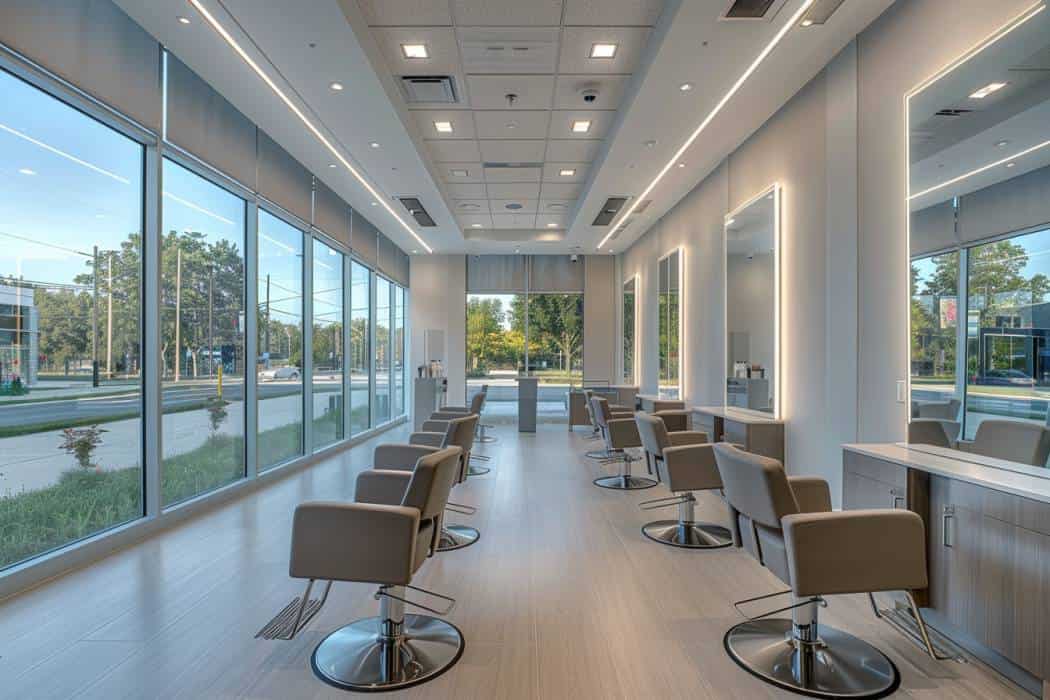
Choosing the right lighting involves understanding the three main types of lighting that serve different purposes in a salon environment: ambient, task, and accent lighting.
Ambient Lighting
Provides overall illumination. Creates a warm, welcoming atmosphere in reception and waiting areas. Uniform, diffused light.
Task Lighting
Focused, high-intensity lighting for hair coloring, cutting, and makeup. High CRI values ensure true-to-life color accuracy.
Accent Lighting
Highlights artwork, architectural features, or product displays. Versatile colors and adjustable brightness create stunning focal points.
| Type | Toepassingen | Mood Impact |
|---|---|---|
| Ambient | Reception, waiting rooms | Sets general atmosphere |
| Task | Styling stations, wash areas | Enhances accuracy |
| Accent | Display areas, decor | Adds visual interest |
3. Key Considerations When Choosing Salon Lighting
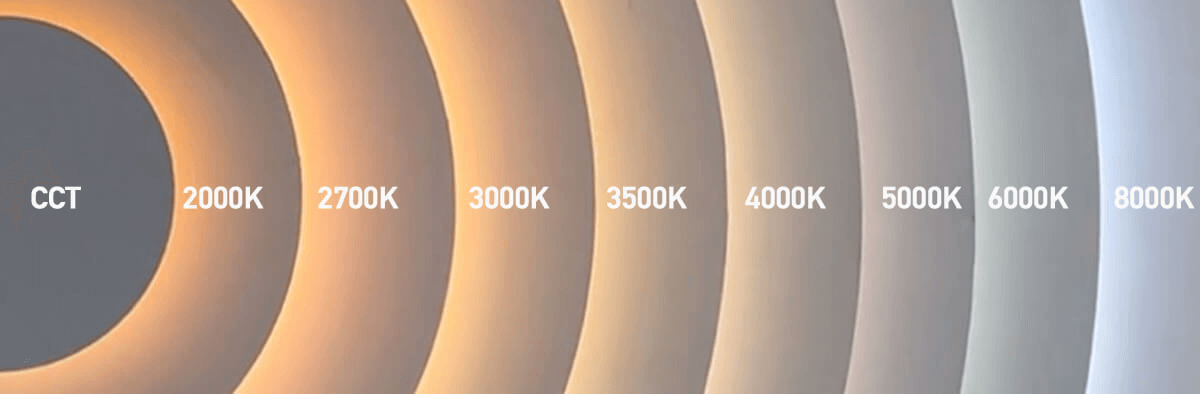
Kleurtemperatuur — measured in Kelvin (K), a critical factor that affects the mood and color accuracy in your salon. Warm white (2700K–3000K): cozy and welcoming — ideal for waiting areas and lounges. Neutral white (3500K–4100K): balanced light perfect for general salon use. Cool white (5000K–6500K): enhances clarity and precision — ideal for styling stations. See our guide on LED color temperature.
| Salon Area | Recommended Color Temp | Effect on Ambiance |
|---|---|---|
| Reception/Waiting | 2700K–3000K | Warm, inviting, relaxed |
| General Salon Area | 3500K–4100K | Neutral, balanced, natural |
| Styling Stations | 5000K–6500K | Bright, precise, enhanced clarity |
Brightness Levels — brightness is typically measured in lumens; more lumens indicate a higher level of brightness. Look for LED solutions that allow dimming or adjustable brightness settings. Low (500–1000 lm) for ambiance in waiting areas; medium (1000–2000 lm) for general salon lighting; high (2000+ lm) for task lighting at styling stations.
Energie-efficiëntie — LED strip lights are celebrated for their low power consumption compared to traditional incandescent or fluorescent options, translating into lower electricity bills over time. Durability and Maintenance — choose LED strip lights designed to withstand the demands of a salon environment — resistant to heat, moisture, and frequent handling. KayTai’s products, including drivers, connectors, and controllers, are designed for straightforward installation and minimal upkeep.
4. Design Integration and Layout
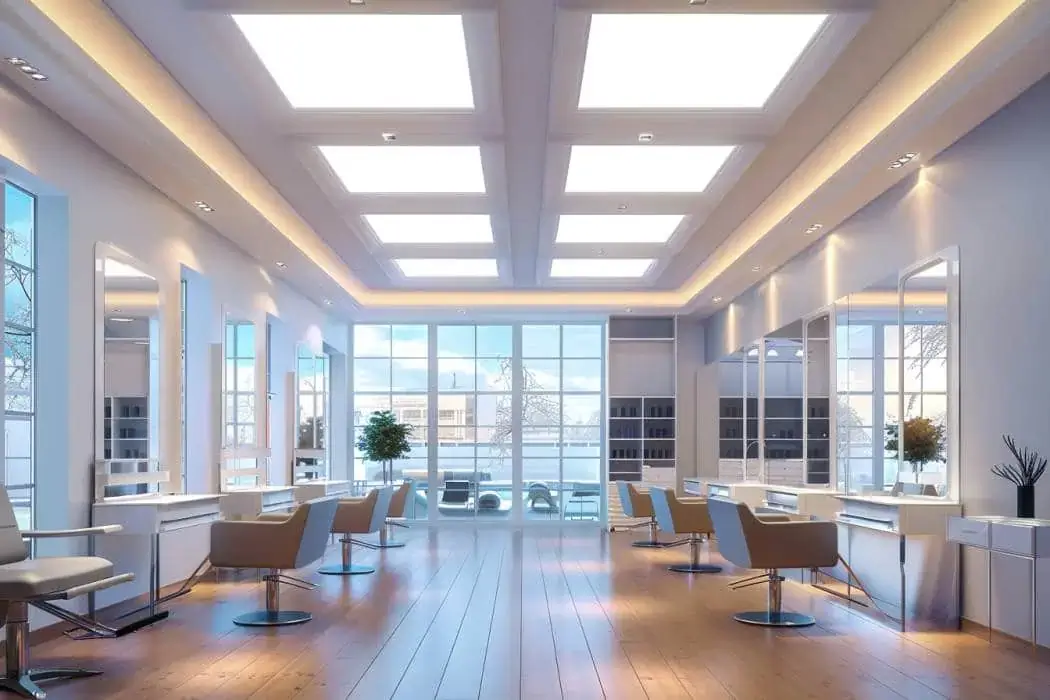
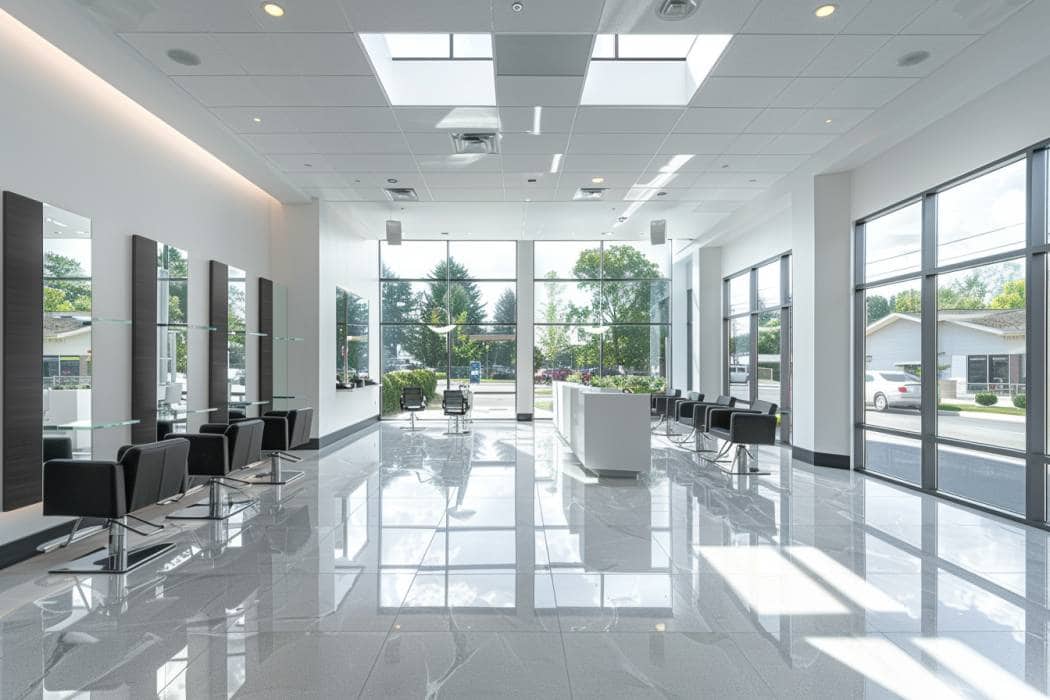
Balancing Natural and Artificial Light — use large windows and skylights to maximize natural light during the day, then combine with adjustable LED strip lights to maintain a consistent look regardless of the time of day. Tips: use layered lighting (ambient, task, and accent); position LED strips near windows to soften the transition and reduce glare.
Strategic Fixture Placement — zone-based lighting divides your salon into distinct zones (reception, styling stations, wash areas) and tailors the lighting for each area; use accent lighting to draw attention to unique features; ensure pathways and work areas are well lit.
| Salon Zone | Lighting Type | Suggested Placement |
|---|---|---|
| Reception | Ambient | Overhead along the ceiling |
| Styling Stations | Task | Under-mirror strips for precision |
| Wash Areas | Task | Waterproof strips near mirrors |
| Display Areas | Accent | Highlight products or artwork |
| Corridors | Ambient/Accent | Along hallways for safe navigation |
Customizing Solutions for Different Areas — reception and waiting areas: relaxed ambiance with warm, inviting light; styling stations: high brightness and clarity — use LED strips under mirrors or above workstations to eliminate shadows; wash areas: moisture-resistant strips with clear, bright illumination; product displays and décor: accent lighting to highlight specific products or design elements. KayTai’s LED strip lights are highly customizable, enabling you to adjust color temperature, brightness, and even incorporate dynamic lighting effects that change with the time of day.
5. Benefits of Effective Salon Lighting
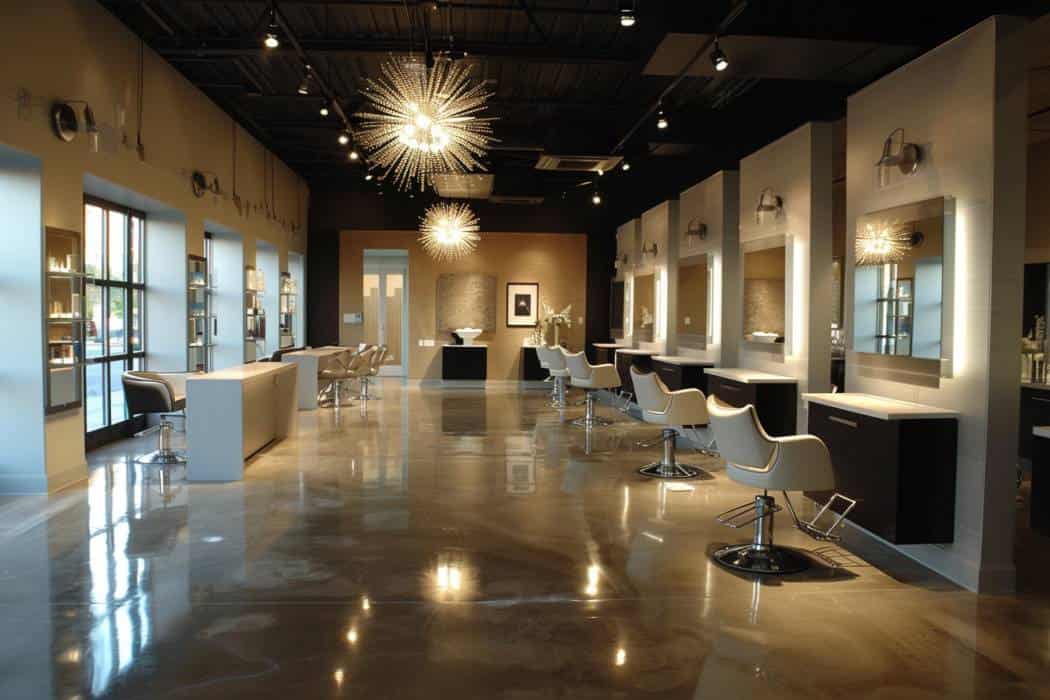
Enhanced Client Experience — the right lighting is the first sensory detail that welcomes your clients. A well-lit salon creates an inviting and comfortable environment, leading to increased client satisfaction, improved perception of service quality, and a positive emotional impact that encourages return visits.
Improved Professional Performance — with task lighting that provides high brightness and true-to-life color rendering, stylists can perform detailed tasks more accurately, reduce eye strain, and achieve consistent results.
Business Impact — a well-lit salon that incorporates modern LED strip lights reflects innovation and professionalism, strengthens your brand identity, reduces operational costs through energy savings, and provides a competitive edge that attracts and retains clients.
6. Conclusie
Choosing the right salon lighting is a multifaceted process that involves understanding the different lighting types, key technical considerations, and how to integrate these elements into a cohesive design. By focusing on ambient lighting for a warm base, task lighting for precise work, accent lighting for visual interest, and evaluating color temperature, brightness, energy efficiency, and durability, you can transform your salon into a space that is both aesthetically pleasing and highly functional.
💡 Final tips: assess your space thoroughly, prioritize quality LED strips, tailor color temperature and brightness per zone, consult experts, and stay updated on the latest lighting trends.
Elevate Your Salon Lighting
Explore our LED strip lights, drivers, connectors, and controllers — designed for salons.
Wil je dieper gaan? Lees onze volledige LED-kleurtemperatuur en CRI-gids voor de volledige technische storing.

Salon lighting needs good colour rendering, and this guide explains why. The suggestions for station versus wash lighting are practical. The layout examples suit different salon sizes.
The salon lighting guide covers the important details. The color rendering advice for makeup and hair work is spot on. The layout examples for different salon zones are easy to apply.
I own a hair salon in the Netherlands and switched our styling stations to LED after reading this. The colour temperature guidance made a real difference to how skin tones look to clients. The placement ideas for mirrors and reception are practical and easy to copy.
Great post! I love the creative ideas for using LED strips in salon lighting. They really enhance the ambiance and bring a modern touch. Can’t wait to try some of these suggestions in my own space!