For a century, the only way to get that glowing neon look was glass: fragile tubes of gas lit by dangerously high voltage. Today, LED neon flex delivers the same visual with better safety, lower cost, and far easier installation.
In this guide, we compare traditional glass neon and LED neon flex side by side — so you can decide which is right for your project.
01 How Traditional Glass Neon Works
Glass neon was invented in the early 1900s. It works by filling a sealed glass tube with a gas (usually neon for red-orange, or argon/mercury with phosphors for other colors) and applying 10,000–15,000 volts to ionize the gas and make it glow.

The Pros of Glass Neon
- Authentic glow — a warm, continuous light unmatched by older technologies
- Classic aesthetic — the original look of historic neon signage
The Cons of Glass Neon
- Fragile — glass tubes crack and break easily
- Dangerous — 10–15kV high voltage requires a specialist
- Expensive — custom glass bending costs a lot
- Heavy & delicate to ship — high transport risk
02 How LED Neon Flex Works
LED neon flex replaces the gas-filled glass tube with a simple construction: an LED strip inside a flexible silicone or PVC tube. It runs on safe 12–24V and uses LEDs that last 50,000 hours or more.
The Pros of LED Neon Flex
- Safe low voltage — no high-voltage hazard
- Flexible & bendable — to a radius as small as 5cm
- Durable — unbreakable, weatherproof (IP65–IP68)
- Efficient — about 100 lm/W vs ~50 lm/W for glass neon
- Easy to ship & install — cut, connect, and mount yourself
The Cons
- Different look up close — LED dot pattern can be visible in some products (high-density COB cores solve this)
- Huge signs can be brighter with glass — for very large-scale displays, glass neon still wins on raw brightness

03 Head-to-Head Comparison
Here is the full picture, side by side:
| Factor | Glass Neon | LED Neon Flex |
|---|---|---|
| Working voltage | 10,000 – 15,000V | Safe 12 – 24V |
| Efficiency | ~50 lm/W | ~100 lm/W |
| Долговечность | Fragile glass | Unbreakable silicone/PVC |
| Bending | Limited, specialist-made | Bend to 5cm radius |
| Waterproof | Rarely | IP65 – IP68 |
| Продолжительность жизни | Shorter, tube degrades | 50,000+ hours |
| Safety | High voltage risk | Low voltage, safe |
| Toxicity | Gas + mercury variants | Non-toxic |
| Installation | Specialist electrician | DIY-friendly clips/channels |
| Transport | Heavy, fragile, costly | Light, rollable, safe |
| Custom shapes | Expensive custom glass | Easy cutting & bending |
| Расходы | High (glass + labor) | Much lower |
04 When to Choose Each
Neither is universally “better” — it depends on the project. Here is a practical guide:
For the Authentic Classic
Museum-grade replicas, historic signage restoration, or very large-scale display art where the original glass aesthetic is essential.
For Almost Everything Else
Modern signage, retail logos, architectural accents, outdoor lighting, events, homes — where safety, cost, and ease win.
For Most Projects, LED Wins
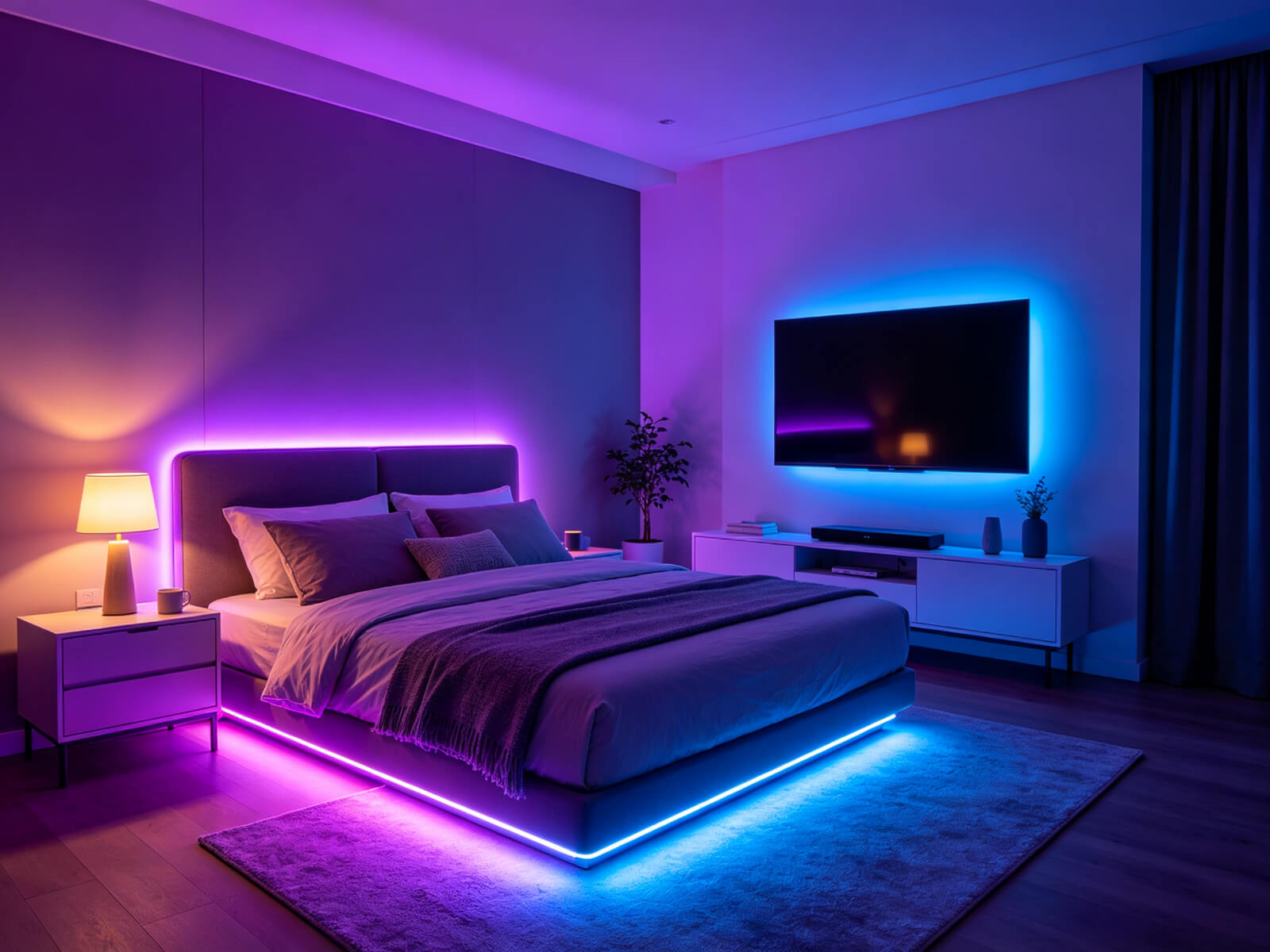
Unless you specifically need the authentic glass-neon aesthetic, LED neon flex delivers the same visual impact at a fraction of the cost, with far better safety and durability.
Изучите наш LED lighting range and see how easy modern neon is to work with.
05 The Bottom Line
Traditional glass neon has charm and a place in history — but for new projects, LED neon flex is the smarter choice for most buyers:
You get the iconic glowing look, the flexibility to create any shape, and none of the fragility, danger, or cost of glass.
06 Neon Comparison FAQ
1 кварталIs LED neon flex as bright as glass neon?
For most signage sizes, yes — LED neon is roughly twice as efficient (~100 lm/W vs ~50 lm/W). For extremely large displays, glass neon can still produce more raw output.
2 кварталIs LED neon flex safe?
Yes. It runs on safe 12–24V low voltage instead of the 10,000–15,000V used by glass neon, eliminating the high-voltage hazard and reducing installation risk.
Q3Why is glass neon being replaced?
Glass neon is fragile, dangerous, and expensive to make and ship. LED neon flex delivers the same look with better durability, safety, efficiency, and much lower cost.
Q4Can LED neon flex be used outdoors?
Yes. Most LED neon flex is rated IP65–IP68, so it withstands rain and weather. Glass neon is rarely waterproof. See our waterproof options.
Neon For Your Project?
Ask our team for samples and pricing on LED neon flex today.
Сопутствующие руководства по светодиодам
This comparison saved me hours of research. The side-by-side of LED neon flex vs glass neon covers durability, cost and installation clearly. The bending radius photos made the flexibility advantage easy to understand. Bookmarking this.
Very informative comparison. We replaced a glass sign with LED neon flex last year and the reasons listed here match what we experienced. The maintenance section is honest — worth reading before committing to glass neon.
I had assumed glass neon was still better for sharp exterior lettering, but the durability comparison changed my view for outdoor signs. The bend radius and UV resistance data are the exact specs we needed to compare quotes. Useful for sign makers.