
LED aluminum profiles are essential components for installing LED strip lights. They help to protect your LED strips, improve heat dissipation, and enhance the overall aesthetic of your lighting setup. If you’re looking to install LED aluminum profiles in your home or office, follow this simple step-by-step guide. As a professional LED aluminum profile manufacturer from China, we’ll also share helpful tips and provide insight into choosing the right profiles for your LED strip lights. Installing LED aluminum profiles is not only about improving the performance of your LED strip lights, but it also adds a sleek and modern touch to your lighting design. Whether you’re lighting up a kitchen, office, or outdoor space, these profiles can be used for various applications. Let’s break down the installation process to make it simple for you.
Obsah
1. What Are LED Aluminum Profiles?
LED aluminum profiles are specially designed channels that house LED strip lights. These profiles are made from high-quality aluminum, which helps with heat dissipation, extending the lifespan of your LED strips. They are available in different sizes, shapes, and finishes to fit various lighting needs and interior designs. LED aluminum profiles, also known as LED aluminum extrusions or channels, are essential for creating professional-looking LED installations.
2. What Tools Do You Need to Install LED Aluminum Profiles?
To properly install LED aluminum profiles, you will need the following tools: screwdriver (for securing the profiles), measuring tape (for precise measurements), miter saw (for cutting profiles to the desired length), drill (for making mounting holes), adhesive or screws (depending on the mounting method), and LED strips (make sure they fit into the profile). These tools will help you complete the installation process quickly and accurately.
Screwdriver
For securing the profiles.
Measuring Tape
For precise measurements.
Miter Saw
For cutting profiles to length.
Drill
For making mounting holes.
LED Strips
Make sure they fit into the profile.
3. How to Install LED Aluminum Profiles Step by Step?
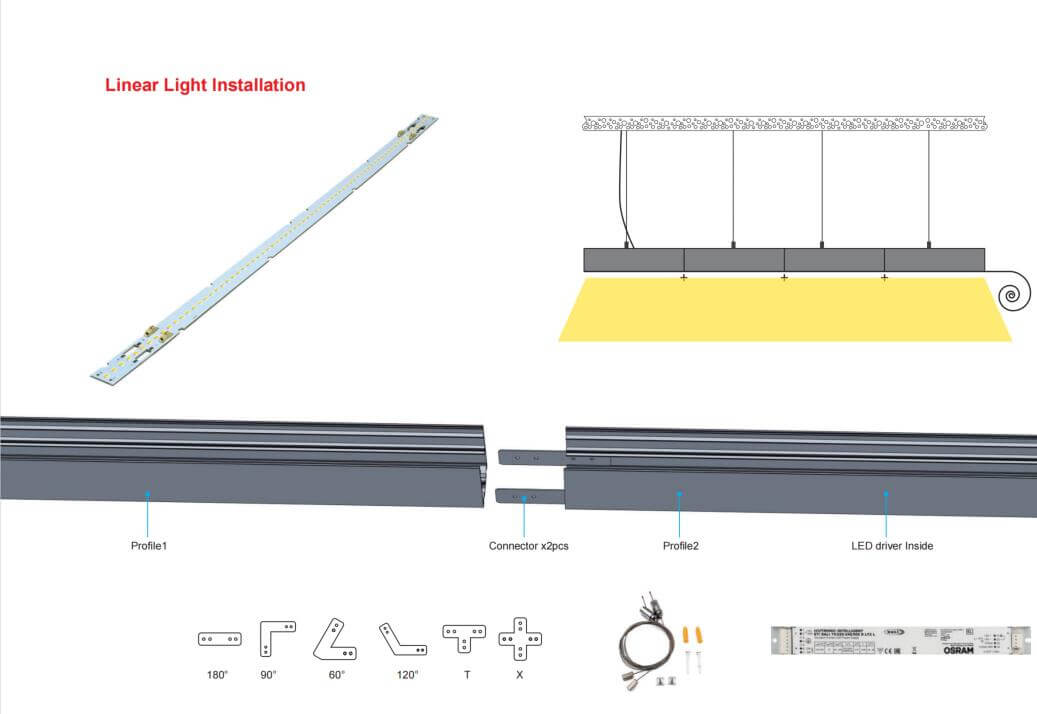
Measure and Plan the Installation Area
Start by measuring the area where you want to install the LED aluminum profiles. Mark the points where the profiles will be placed, ensuring they are evenly spaced and aligned.
Cut the Profiles to the Desired Length
Use a miter saw or hacksaw to cut the LED aluminum profiles to the required length. Be sure to wear safety glasses and gloves while cutting.
Attach the Mounting Clips or Brackets
Depending on your profile design, you may need to use mounting clips or brackets to hold the profiles in place. Attach these to the wall or ceiling where the profiles will be installed.
Insert the LED Strip Lights
Once the profile is securely mounted, carefully insert the LED strip lights into the aluminum channel. Make sure the LED strips are properly aligned and fit snugly within the profile.
Connect the LED Strips to Power
Use the appropriate connectors or solder the wires to connect your LED strips to the power source. Ensure the voltage and power requirements are matched to avoid damage. See how to cut and connect LED strips.
Secure the Profile and Finish
Finally, secure the LED aluminum profiles to the mounting clips or brackets. If using adhesive, ensure it is properly bonded and holds the profile in place.
💡 Ensure your LED aluminum profiles are compatible with the LED strips you’re using to achieve optimal light output and cooling performance. Check for any heat management issues when installing LED aluminum profiles in closed spaces to maintain the longevity of your LEDs.
4. What Are the Benefits of Using LED Aluminum Profiles?
Enhanced Heat Dissipation
The aluminum helps dissipate heat, preventing overheating and extending the lifespan of your LED strips.
Improved Aesthetics
These profiles give your lighting setup a professional and sleek look, blending seamlessly with the interior design.
Durability
LED aluminum channels are sturdy and protect your LED strips from physical damage and dust.
Better Light Distribution
The profiles allow for uniform light diffusion, avoiding the “dots” effect often seen with bare LED strips.
5. How to Choose the Right LED Aluminum Profiles?
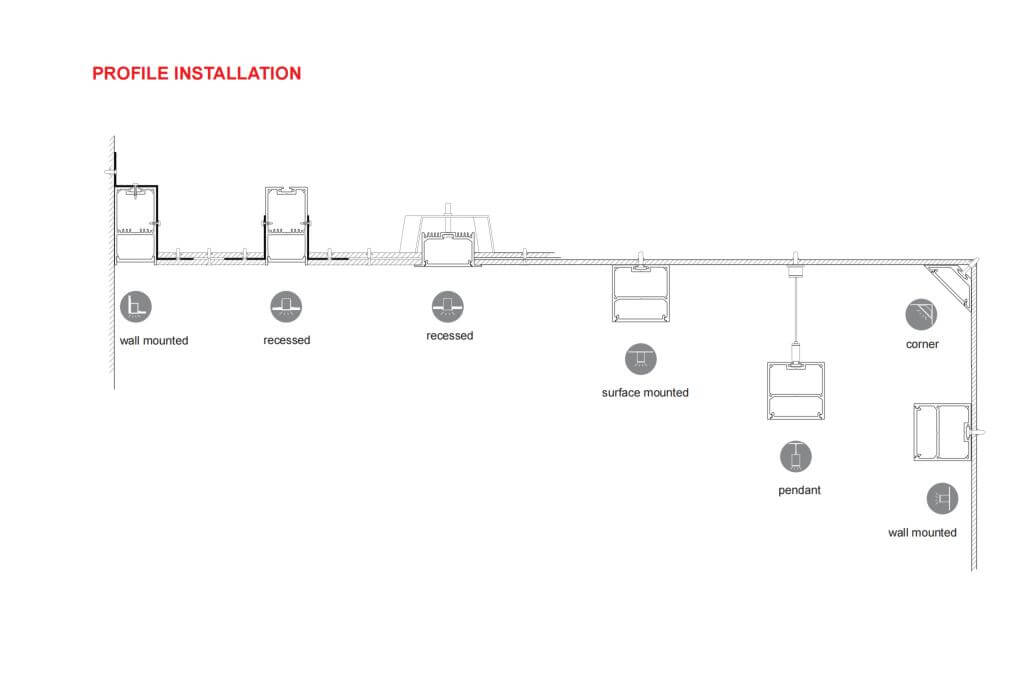
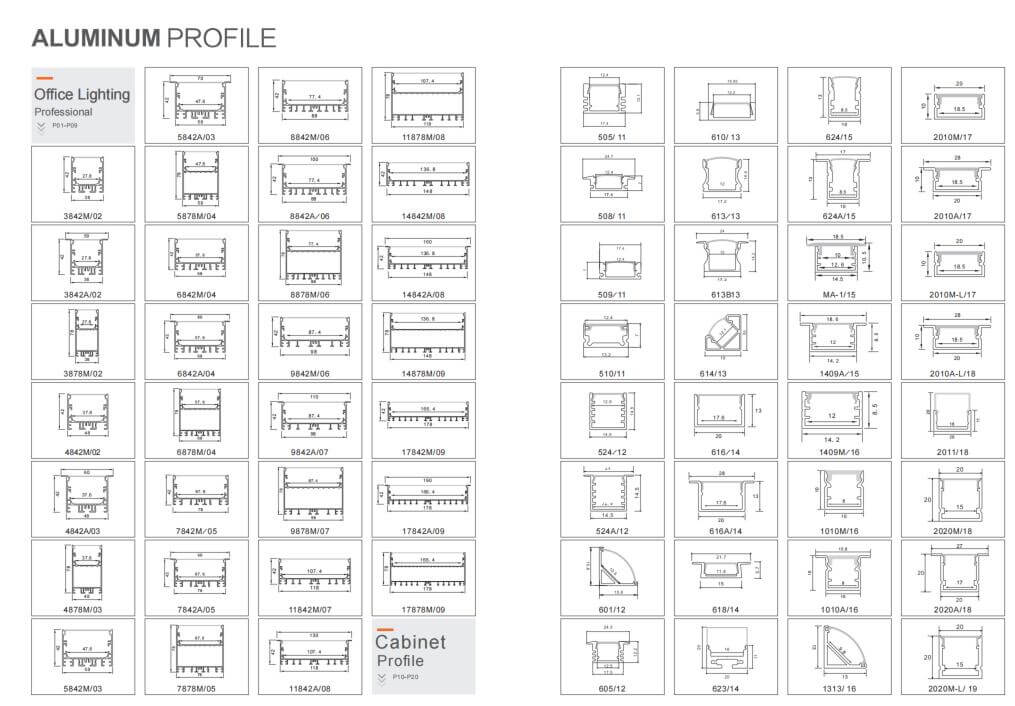
Choosing the right LED aluminum profile depends on several factors: size and shape — consider the available space and the type of lighting effect you want to achieve; mounting type — profiles can be surface-mounted, recessed, or suspended, so choose the one that suits your installation method; and finish — opt for profiles with finishes that match the design of your room, such as anodized aluminum, matte black, or white.
Size and Shape
Consider the available space and lighting effect.
Mounting Type
Surface-mounted, recessed, or suspended.
Finish
Anodized aluminum, matte black, or white.
💡 As a leading China LED aluminum profile supplier, we offer a wide range of profiles to suit various installation needs and lighting effects. Explore our LED aluminum profile range.
6. LED Strip Lights Manufacturing Process
LED lighting production requires high precision, but many manufacturers make their lights on basic assembly lines. We strictly regulate and monitor all processing steps in our manufacturing system. We also have a full set of equipment designated for production and quality control. We employ experienced engineers who are also factory supervisors to ensure strict quality control for every single LED strip light. We hope that this post will increase your understanding of the LED lighting industry and allow you to further develop and explore the product line.
Step 1. LED Strip Material IQC
Materials arrived in the factory, no matter PCB, LED, IC, resistance, aluminum profile, or cables, need QC check. All the items need to meet the requirement. Quality control is the first thing we have to do when all the materials arrive.
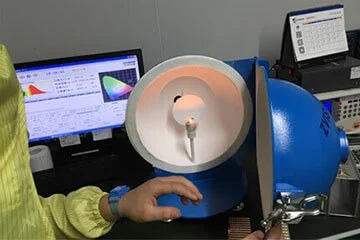
Step 2. LED Color Temperature Check
Now, with all new LED chips, you need to test the LEDs color temperature. The brightness of the same color is not always the same. The Color Rendering Index is also a topic that you have to make sure with the client.
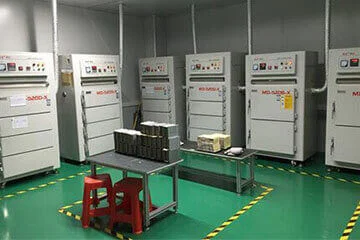
Step 3. LED Dry Process
Usually, this process will be followed by the SMT process. LED needs to be dried before it is processed through SMT. The temperature of the drying is not less than 65℃ in 8 hours.
Step 4. LED Strip Light SMT Process
LED strip light SMT process is widely used in modern lighting units. SMT stands for Surface Mount Technology, but the technology on how to produce the LED is not just called mount surface but also includes a high-speed automated machine.

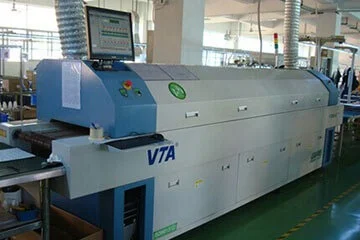
Step 5. Reflow Soldering Process
Reflow soldering technology process after SMT: the components and PCB use the solder paste. The PCB from the reflow soldering machine goes into a certain temperature. The solder paste becomes a liquid consistency of melted, and then bonds to different components.
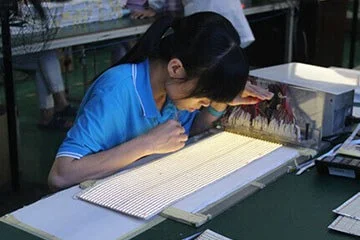
Step 6. Inspection Process
We have 100% test to make sure there is no physical damage to the products. The visual inspection ensures that there is no color shift in the LEDs and if any components are misaligned in solder bridges.
Step 7. Soldering Process
Some small-size PCB with the zero angle, lead-free soldering process. After inspection, the LED ribbon passes through a soldering machine, which connects 0.5m ribbon to 5m long strips.
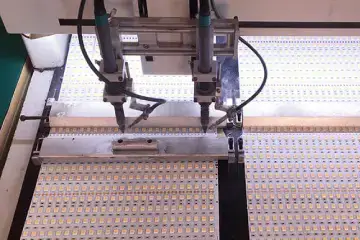
Step 8. PCB Clean Process
The PCB surface for the LED strip has a soldering iron to clean. The first thing to do is still soldering. Solder the IC can be used to prevent oxidization during the soldering process, and then cut off the excess lead wire. After all of this is completed, we can continue to clean it.
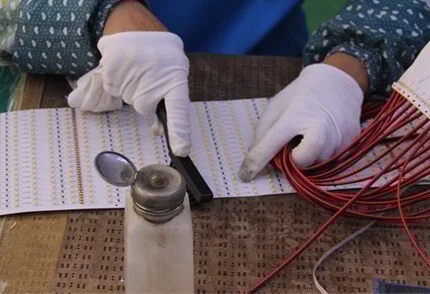
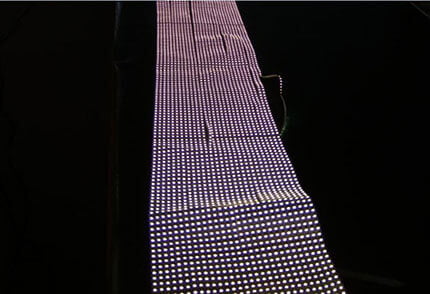
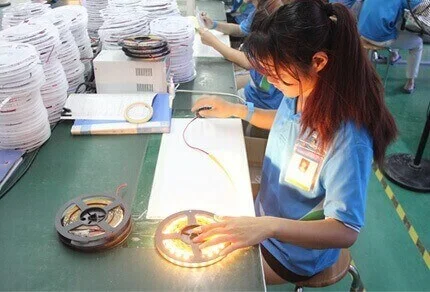
Step 9. Ageing Process
In fact, all the LED products need a lighting test for 8 hours, to ensure each LED runs in good condition. And we can measure the colors during the lighting test, and whether the LEDs are in the right color temperature, and whether the driver is working well.
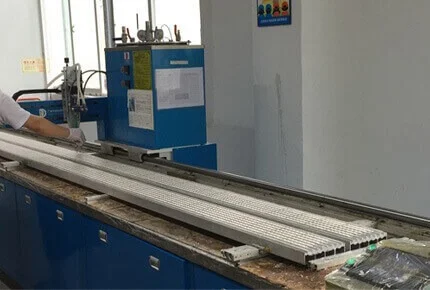
Step 10. Waterproof Process
LED strip lights are waterproof and also rust resistant, which make them suitable for a number of applications inside and outside the house. There are high quality IP65 silicon tube waterproof and IP67 silicon injection waterproof available on the market.
Step 11. Add 3M Tape Process
The 3M tape on the strip’s backside provides consumers with convenience and ease in installing LED strip lighting. We use 3M 9080 for all the non-waterproof and waterproof strips, some customers request other 3M adhesive with better stickiness or better thermal conductivity, that’s available as well.
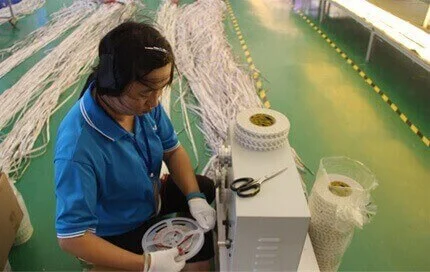
Step 12. Final Inspection
After the entire LED strip package has passed through our processing, KayTai’s quality control department will perform a final check on our products. We not only make sure they have the same lighting color and are free from defects but also the appearance is good enough to meet the customers’ requirements.
Q&A
▶Can I use any LED strip with aluminum profiles?
Yes, as long as the LED strip fits into the profile, you can use any LED strip. Make sure the voltage and power ratings match.
▶How do I choose the right LED aluminum profile for my project?
Consider the size, shape, and finish of the profiles to match your design needs. Also, choose profiles that fit your LED strips properly.
▶Do LED aluminum profiles improve light performance?
Yes, they enhance heat dissipation, which helps maintain the performance and lifespan of your LED strips.
▶Can I install LED aluminum profiles outdoors?
Yes, but ensure the profiles are designed for outdoor use and are properly sealed to prevent damage from weather.
▶How can I install LED aluminum profiles without drilling holes?
You can use adhesive backing for a no-drill installation, though it may not be as sturdy as screws or clips.
Need Help Installing Linear Lighting?
Get the right LED aluminum profiles and expert advice for a seamless installation — at factory-direct prices.
Kontaktujte KayTai
The install guide for linear profiles is precise. Fixing and alignment steps are clear, and the end-cap advice prevents a common finishing mistake. Photos help a lot.
The installation guide for linear light profiles is well done. The fixing and alignment steps are precise, and the end-cap treatment advice prevents a common finishing mistake.