
பொருளடக்கம்
- 1. What Is the Color Temperature of LED Strip Light?
- 2. What Is the CCT of Tunable LED?
- 3. What Are the Advantages of Tunable White LED Lighting?
- 4. How Can I Control Tunable Lighting?
- 5. Why Choose Tunable White Lights?
- 6. Select Tunable White LED Strips
- 7. Purchase Tunable White LED Strips
- Final Thoughts
- 9. Common Questions and Their Responses (FAQs)
LED tunable white lighting refers to the ability to adjust the output temperature of light sources, known as custom temperature color illumination. Strip lights feature LEDs of different hue temperatures in order to achieve this tunable white appearance; this guide will provide more information on these amazing strips of lighting! KayTai — a professional LED strip manufacturer — also explains color temperature options மற்றும் CCT and CRI in more depth.
கட்டுரை வழிகாட்டி
- What Is the Color Temperature of LED Strip Light?
- What Is the CCT of Tunable LED?
- What Are the Advantages of Tunable White LED Lighting?
- How Can I Control Tunable Lighting?
- Why Choose Tunable White Lights?
- Select Tunable White LED Strips
- Purchase Tunable White LED Strips
- Final Thoughts
- Common Questions and Their Responses (FAQs)
1. What Is the Color Temperature of LED Strip Light?
When purchasing LEDs, they are often divided into warmer or cooler, daylight or bright white categories based on the color temperature emitted by the source. You should learn more about Correlated Colour Temperature (CCT). CCT measures the color temperature of light measured in degrees, directly related to how humans perceive white light. CCT provides you with information on exactly which hue the source light emits; you can then decide whether or not its hue suits the environment in which you are placing it.
Cool lighting is often utilized in libraries and offices where individuals need to focus their efforts. Warm lights, on the other hand, tend to be utilized more in hotels, recording studios, and any other venue where people need a moment of restful respite from work or stress.

2. What Is the CCT of Tunable LED?
RGB LED lights are widely favored because of their variety of vibrant hues and captivating look. Furthermore, using their remote control you can combine two or three colours together for new combinations that you create yourself! Dual White LED Strips work similarly to RGB in terms of their ability to change white colour temperature to control warm and cool shades, similar to RGB lighting technologies. Like all lighting technologies, creating adjustable white lighting requires various degrees of sophistication, quality and complexity, but what really sets this one apart is its blending process — its power lies within this.

To produce desired results, tunable white LEDs combine multiple outputs of LEDs. To get optimal results, the best tunable white LEDs use multiple outputs of light to combine channels of white light spanning different Kelvin ranges into one coherent stream of white illumination. Remote controls can aid the blend process in order to achieve the desired CCT, since white LEDs that can be adjusted can change between CCT values. Although first-generation white tunable LEDs take time to warm up before temperature adjustments can take effect, modern systems work much quicker — simply pressing a button will show instantaneous results in light temperature change.
3. What Are the Advantages of Tunable White LED Lighting?
நீங்கள் எல்இடி விளக்குகளை எங்கு நிறுவினாலும், இறுதியில் உங்கள் தனிப்பட்ட மனநிலையின் அடிப்படையில் அவற்றின் அமைப்புகளை மாற்றியமைப்பது நன்மை பயக்கும் - குளிரான விளக்குகள் பகல்நேரச் செயல்பாட்டை உயிர்ப்பிக்க உதவும் அதே வேளையில் வெப்பமான சாயல்கள் இரவில் உங்களுக்கு ஓய்வெடுக்க உதவும். லைட்டிங் கட்டுப்பாடுகள் பயனுள்ள கருவிகளாகும், ஏனெனில் அவை வெவ்வேறு வழிகளில் விளக்குகளைக் கட்டுப்படுத்த பயனர்களுக்கு கூடுதல் விருப்பங்களை வழங்குகின்றன.
சர்க்காடியன் ரிதம்
உங்கள் சர்க்காடியன் ரிதம் உங்கள் உடல் கடிகாரம்; எப்போது, எப்படி எழுந்திருக்க வேண்டும் மற்றும் ஓய்வெடுக்க வேண்டும் என்பது உங்கள் உடலுக்குத் தெரியும். குளிர்ச்சியான மற்றும் சூடான LED விளக்குகள் இந்த தாளத்தை ஒழுங்குபடுத்த உதவும் - வேலை நோக்கங்களுக்காக பகல் நேரத்தில் நீல நிற வெள்ளை ஒளியைத் தேர்வு செய்யவும் அல்லது ஓய்வெடுக்கவும் தூங்கவும் சூரிய அஸ்தமனத்திற்குப் பிறகு சூடான, மென்மையான வெளிச்சம்.
செலவு குறைந்த மற்றும் கவர்ச்சிகரமான
டியூன் செய்யக்கூடிய வெள்ளை LED கள் செலவு குறைந்த மற்றும் பார்வைக்கு இன்பமானவை, குறைந்த பணத்தில் சிறந்த தரத்தை பெருமைப்படுத்துகின்றன.
உற்பத்தித்திறனை அதிகரிக்கவும்
One way you can increase productivity is with tunable white LEDs. Their bluish-white light creates an engaging work and study environment for employees and students alike.
அமைதியான சூழலை உருவாக்குங்கள்
ஓய்வெடுப்பதற்கு உகந்த சூழலை உருவாக்க உணவகங்கள் சூடான விளக்குகளைப் பயன்படுத்தலாம். மருத்துவமனைகளில், சூடான விளக்குகள் நோயாளிகள் நிம்மதியாகவும் தூக்கமாகவும் உணர உதவும்.

4. How Can I Control Tunable Lighting?
To fully utilize your tunable light, a remote-control system is essential. Basic remotes offer multiple features including brightness adjustment and temperature regulation with one tap; more sophisticated models may give more precise control but are often used simply to alter Kelvin presets. Installing these lights into the control architecture of a building yields optimal results, enabling you to program them according to room occupants’ circadian rhythms and use either an adaptive preset that changes over time or manually modify settings as necessary.

KayTai offers a selection of dim-to-warm LED lighting strips in various Kelvin temperatures that allow users to create any environment they desire. Their Kelvin ranges span 2000K–6500K, so there should be something suitable for every space you can imagine!
5. Why Choose Tunable White Lights?
A bright light has a direct and positive effect on our bodies; when warm temperatures increase, our bodies become more alert and relaxed. As the sun goes down, each day begins with warm colors that gradually shift towards white tones as night falls. Nature provides us with an abundant spectrum of colors that we can recreate using adjustable lighting fixtures.
As soon as the sun rises, the morning begins with 2700K and gradually moves through to 6700K — this range can also be found with adjustable LEDs; 1800K to 6500K can be selected. When it comes to alertness and productivity, choose colors near 6000K; when relaxing or power napping at work, changing it down to 3000K may prove useful.
As it is possible to adjust the color temperature by installing tunable white LED lighting, we can utilize its dual strip lighting system and use its remote control feature to change it easily. Choosing between CCT or brightness via remote control makes life simpler for us all! This is an amazing way of making life simpler!

6. Select Tunable White LED Strips
Selecting an LED strip should be straightforward, but there are a few considerations before choosing the appropriate light source for your application.
Application
Determine where and how you plan on installing LED strips. Consider what areas need illumination and where the strips will be mounted.
Check CCT
Choose an LED strip based on which CCT range best meets your preferences. 2000–3000K provides soft, relaxing illumination ideal for bedrooms or dining rooms; 3000–4000K gives a warm white glow for kitchens and offices; 4000–5000K is recommended for schools to reduce eye strain; 5000–7000K produces bright white lighting ideal for areas requiring high illumination.
Check Your CRI
Color Rendering Index measures the accuracy of light colors. As CRI increases, the LED’s colors become more accurate; for optimal results, opt for an LED strip with a CRI of over 90 to avoid warm or distorted tones.
Brightness Levels
Lumens are used to measure lighting brightness. A higher lumen indicates that an LED will show bright colors; you will not require more than 200–500lm/m for accent lighting purposes; for larger areas it would be wiser to opt for one with a higher lumen count.
Heat Dissipation
Your LED’s ability to withstand overheating will depend heavily on the quality of the chips used. KayTai utilizes top-grade chips from manufacturers worldwide, meaning our lights will not stop working or burn even if temperatures fluctuate rapidly.
IP Ratings
IP ratings provide an indicator of how well electrical equipment protects itself against liquids and solids. IP ratings always consist of two numbers; one indicates its strength against dust and debris (0–6), while the second represents its liquid protection level. KayTai’s anti-yellowing LED strip products feature multiple IP ratings (IP62 to IP68) for increased protection.
7. Purchase Tunable White LED Strips
KayTai offers dimmable white LED strips that can be tuned from cool to warm white hues, as well as dual-white tunable strips and dual-in-one dual-white LED strips that offer adjustable color temperature control.
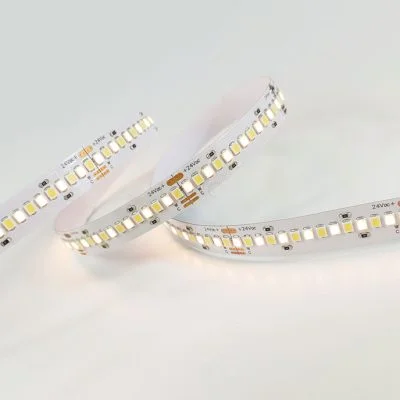
When purchasing LED strips, taking note of what you need will make it much simpler. Be mindful of installation requirements, color preferences, and any restrictions on where they will be installed or placed — we offer an impressive selection of LED strips to meet all of your lighting requirements! Browse our tunable white LED strips மற்றும் full LED strip catalog.
Final Thoughts
Selecting an LED strip designed for multipurpose use is simple. Tunable white will help increase productivity while providing relaxation benefits. KayTai provides premium white LED strips at competitive prices, offering our customers outstanding customer service and cost savings opportunities.
9. Common Questions and Their Responses (FAQs)
▶Do 12V and 24V strip lights work together?
No. A 12V LED strip will not light up if a 24V LED strip is connected to your project. RGB LED tape may show a faint red glow if connected together; 12V strips connected to 24V power sources become even more dangerous due to overheating within seconds, potentially even leading to fire hazards if left connected for too long.
▶Does 12V strip have a higher safety rating than 24V strip?
Both ratings are relatively low voltage ratings and thus differ little in their safety rating. As previously discussed, voltage drop can play an important role — lower voltage systems result in more losses, so it is more likely you will experience voltage drops with 12-volt systems.
▶Can an LED strip 24V work on 12V voltage?
A transformer or voltage boost may be necessary to connect a 24-volt strip to a 12-volt power source, as 24V strips consist of multiple strings of 6 LEDs which cannot be dismantled in order to fit with 12V sources.
▶Can a 12V LED strip work on 24V?
Unfortunately not, as overvoltage will damage and destroy a 12V strip when powered with a 24V power source.
▶Which LED strip design is better: 12V or 24V?
This depends entirely on your application; now that you understand both its advantages and disadvantages, 24V may be suitable if cut length does not matter; 12V would be more advisable due to space restrictions.
Get Tunable White LED Strips for Your Project
Choose your CCT range, CRI and IP rating — our team will help you spec the perfect tunable white strip with factory-direct pricing.
KayTai ஐ தொடர்பு கொள்ளவும்
Helpful guide on tunable white strips. The CCT range and control options are explained well. The section on choosing the right chip for smooth color shifts is useful.
Helpful guide on tunable white. CCT range and control options are explained well. The note on chip selection for smooth colour shifts is useful.