Come sono realizzate le strisce luminose a LED? All'interno della nostra fabbrica (11 passi)
Un semplice rotolo di striscia LED sembra facile da realizzare, ma la differenza di qualità tra le strisce è enorme. Perché alcune strisce rimangono luminose e uniformi per anni, mentre altre sbiadiscono, sfarfallano o arrivano con un colore non uniforme? La risposta è nel processo di produzione. Questa guida illustra passo dopo passo come KayTai produce strisce luminose a LED e spiega i controlli di qualità che fanno la differenza.
Sommario
Ci concentriamo su ogni dettaglio
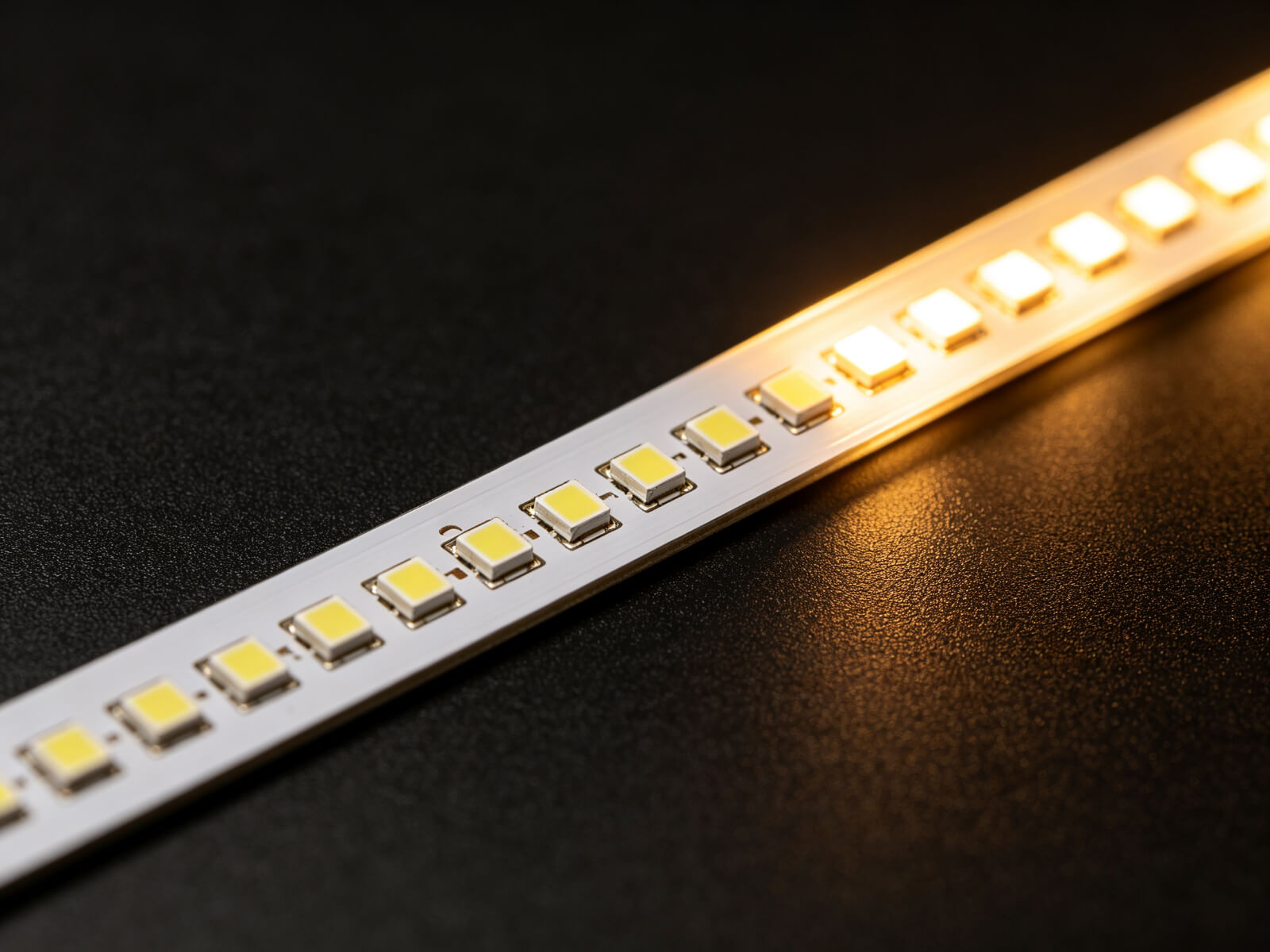
Una striscia LED è composta da numerosi emettitori LED collegati a un PCB flessibile. Per accendersi necessita di una tensione CC molto bassa, quindi la precisione è importante in ogni fase. Molti produttori gestiscono catene di montaggio semplici con scarso controllo; monitoriamo rigorosamente ogni fase di lavorazione nel nostro stabilimento, con attrezzature dedicate per la produzione e il controllo qualità. Queste sono le funzionalità che ottieni come risultato:
SMT ad alta precisione
Le macchine pick-and-place automatiche montano ogni LED in modo preciso, senza disallineamenti o ponti di saldatura.
Ordinamento colori a BIN singolo
I LED vengono ordinati per luminosità e colore prima dell'assemblaggio, quindi ogni bobina appare perfettamente coerente.
Saldatura a rifusione profilata
La temperatura è controllata zona per zona per creare giunti di saldatura resistenti e affidabili.
Test di durata di 8 ore
Le strisce semilavorate funzionano per ore prima di finire, catturando precocemente i componenti deboli.
Impermeabilizzazione multilivello
Da IP20 in interni a IP68 sott'acqua, l'impermeabilità viene applicata e testata internamente.
Ispezione finale al 100%.
Ogni bobina viene sottoposta a un controllo visivo e di illuminazione finale prima di essere imballata e spedita.
Di seguito è riportato l'intero flusso produttivo del ns Strisce luminose a LED, dall'imballaggio LED alla scatola a portata di mano.
Il processo di produzione in 11 fasi
Produzione di pacchetti LED
Tutto inizia con il pacchetto LED che protegge e collega il chip LED. Ogni pacchetto protegge il chip da umidità, contaminanti e corrosione e consente il montaggio elettrico e termico sul PCB. All'interno di questo passaggio, il pacchetto attraversa sette sottoprocessi:
- Incollaggio dello stampo: il chip LED è unito al pad di contatto all'interno della confezione.
- Incollaggio del filo: i fili d'oro collegano la matrice del LED al telaio principale per resistenza e conduttività.
- Misurazione della sfera integratrice: il flusso luminoso e i parametri spettrali vengono misurati con precisione.
- Rivestimento e incapsulamento al fosforo: il rivestimento imposta la temperatura del colore e l'incapsulamento protegge dai raggi UV e dai danni meccanici.
- Cottura al forno: la confezione viene stagionata in forno per stabilizzarla e modellarla.
- Ordinamento dei LED: ogni LED è suddiviso in contenitori in base alla luminosità e alla qualità del colore.
- Imballaggio a prova d'umidità: i pacchi sono sigillati contro l'umidità durante lo stoccaggio e la spedizione.
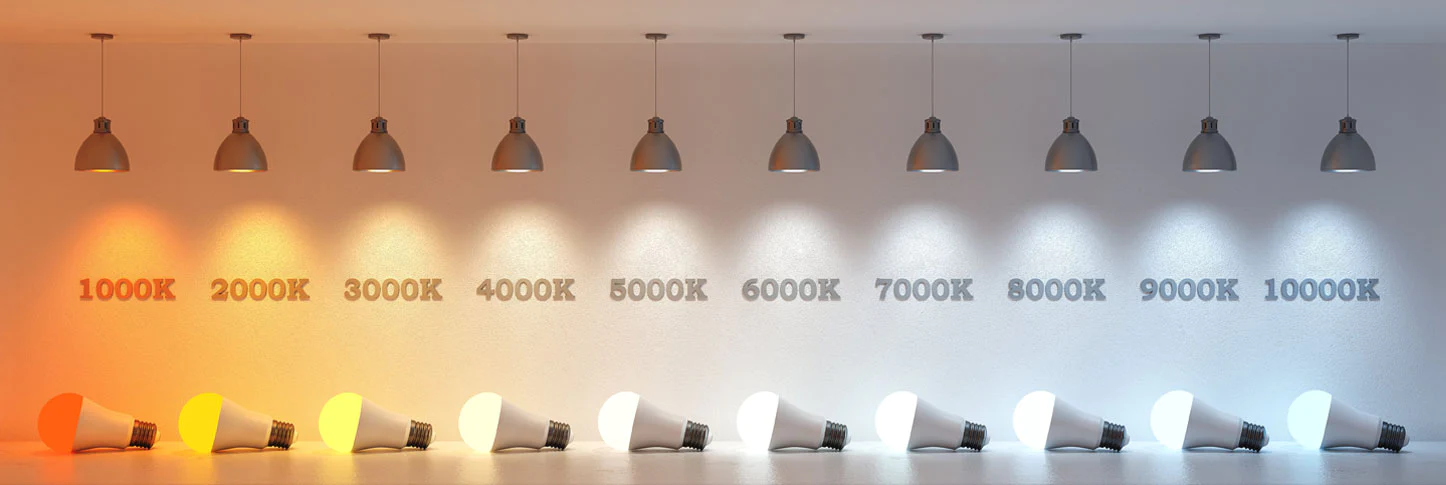
La fase di smistamento dei LED è particolarmente importante: ecco perché il nostro temperatura del colore rimane coerente da una bobina all'altra, anche su lunghe tirature.
Montaggio superficiale (SMT)
I LED ordinati sono montati su circuiti stampati a doppia faccia. Uno stencil viene allineato sulla scheda, la pasta saldante viene applicata in uno strato controllato e una macchina pick-and-place posiziona ciascun LED nella sua esatta posizione. La tavola non deve muoversi mentre la pasta è ancora bagnata, altrimenti i componenti si sposteranno.
Saldatura a riflusso SMT
Le tavole passano attraverso un forno di rifusione con zone di temperatura attentamente controllate che fissano in modo permanente ogni componente. Funziona in quattro zone:
- Zona di preriscaldamento: la tavola si riscalda gradualmente fino a 140–160°C.
- Zona di immersione: la tavola rimane a 140–160°C per 60–90 secondi.
- Zona di riflusso: la temperatura sale a 210–230°C, sciogliendo la saldatura per legare i LED ai pad.
- Zona di raffreddamento: la tavola si raffredda rapidamente per evitare difetti di giunzione.
Ispezione preliminare del prodotto
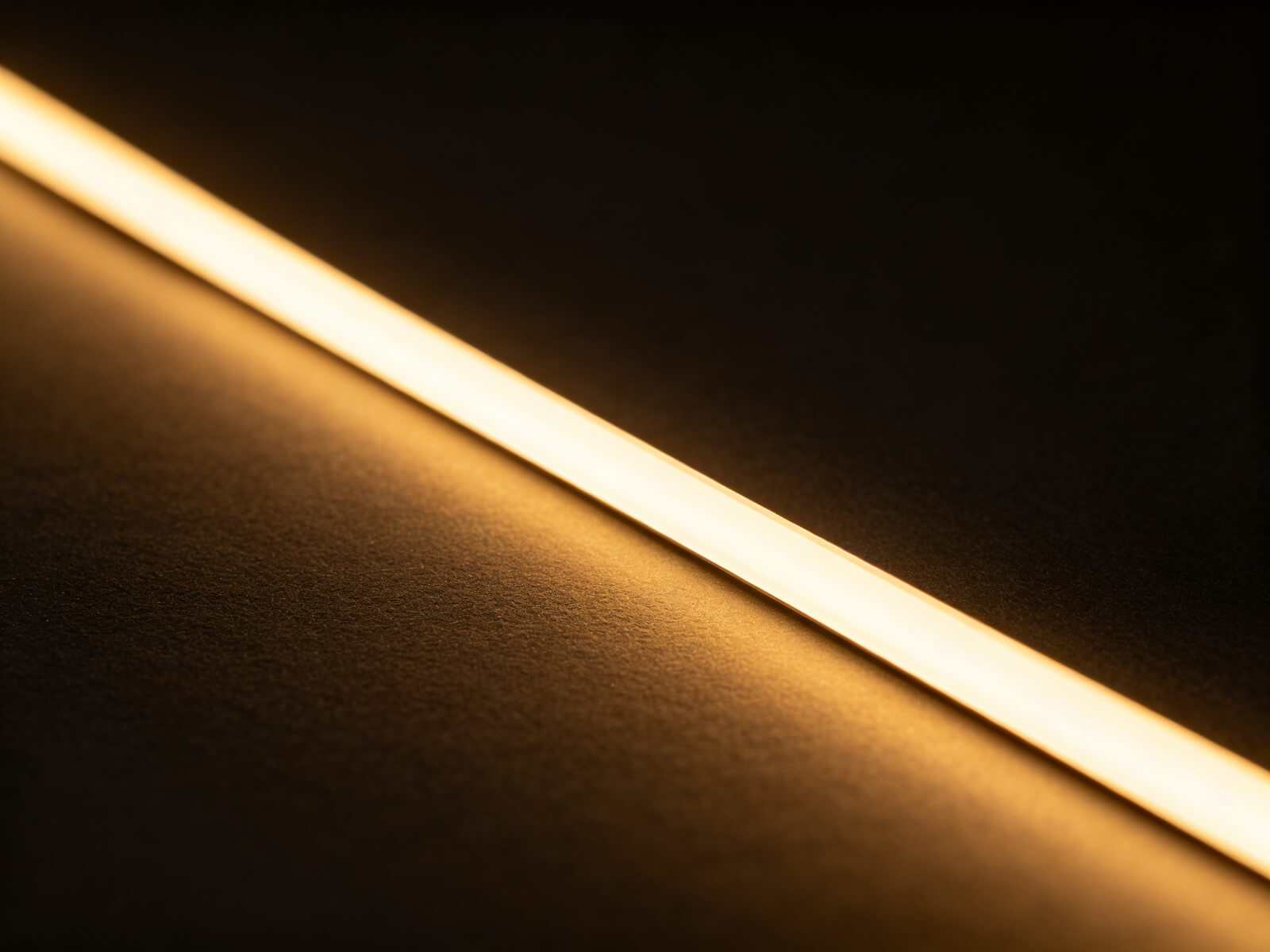
Dopo il riflusso, il nastro LED viene sottoposto a una rigorosa ispezione manuale. Gli operatori controllano eventuali variazioni di colore tra i LED, disallineamento dei componenti e ponti di saldatura, individuando i problemi prima che si spostino lungo la linea.
Saldatura PCB (0,5 m → 5 m)
Dopo l'ispezione, il nastro viene unito da una saldatrice per trasformare sezioni da 0,5 m in bobine intere da 5 m: la nostra lunghezza standard delle bobine. Per il tuo progetto sono disponibili anche lunghezze personalizzate come 0,6 m, 2 m o 4 m.
Test di vita per nastri semilavorati
Ogni striscia semilavorata viene sottoposta ad un test di durata di otto ore. Questo lungo periodo rileva precocemente i LED deboli e le connessioni intermittenti, quindi solo i componenti sani avanzano.
Impermeabilizzazione
Se il tuo progetto necessita di protezione dall'acqua, la striscia passa attraverso uno dei tre metodi di impermeabilizzazione a seconda del grado IP richiesto:
- Colla siliconica (IP62): uno strato siliconico protegge la striscia nelle zone umide come cucine e bagni; rimane trasparente e non ingiallisce.
- Custodia in silicone (IP65): una manica avvolge la striscia per ambienti umidi o esterni senza immersione in acqua.
- Iniezione completa di silicone (IP68): la guaina è sigillata con silicone iniettato per l'uso subacqueo in piscine, fontane e banchine.
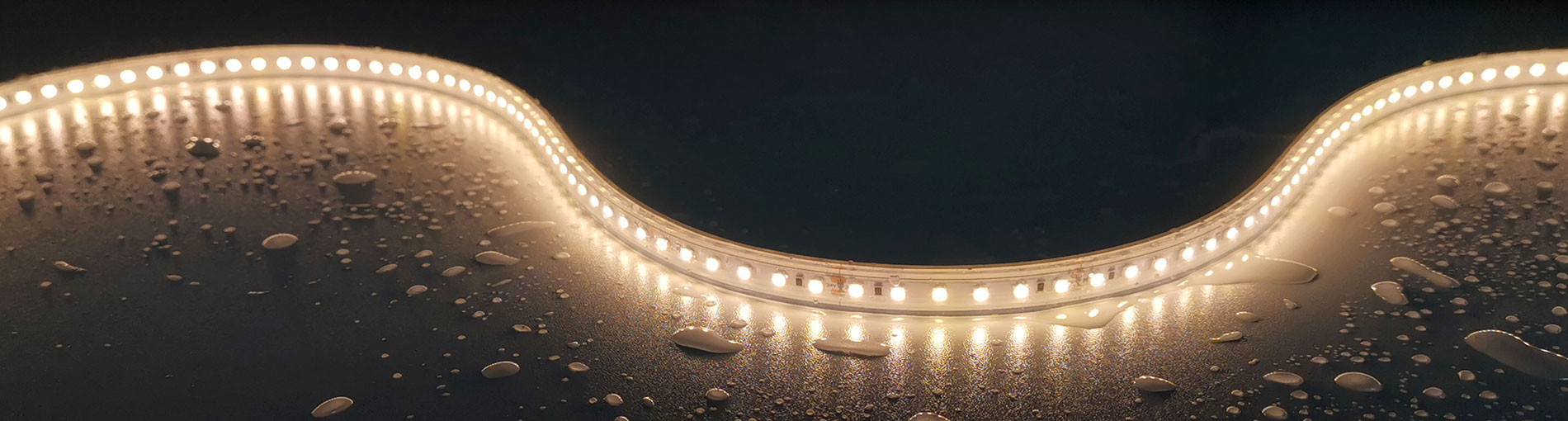
La scelta del giusto grado IP è essenziale. Vedi il nostro Guida per strisce LED impermeabili per abbinare il grado giusto alla tua area di installazione.
Prova di invecchiamento
Tutte le strisce impermeabili vengono quindi sottoposte a un test di invecchiamento. Il test convalida la resistenza dei LED e dello strato impermeabilizzante, quindi riceverai un prodotto che funziona come promesso per anni.
Nastro adesivo 3M
Un adesivo 3M 9080 di qualità sul retro della striscia garantisce un'installazione rapida e sicura. Per i clienti che necessitano di un'adesione più forte o di una migliore conduttività termica, su richiesta sono disponibili altri adesivi 3M.
Ispezione finale
Il nostro reparto di controllo qualità esegue un controllo finale su ogni bobina (colore della luce uniforme, luminosità uniforme e aspetto pulito) prima che la striscia venga approvata per l'imballaggio.
Confezione
La strip finita viene imballata in bobina in un sacchetto antistatico, con etichetta riportante le caratteristiche. Diamo il benvenuto ai clienti che desiderano il proprio design dell'etichetta e il marchio sulla confezione.
Controlli di qualità che contano
Non tutte le “fabbriche di strisce LED” eseguono questi controlli. Ecco i controlli che ti proteggono dai problemi di qualità più comuni lamentati dagli acquirenti.
Colore uniforme, ogni bobina
L'ordinamento a BIN singolo e i record batch eliminano la mancata corrispondenza caldo/freddo quando si ordinano più bobine o si rifornisce in un secondo momento.
Luminosità senza punti caldi
Il posizionamento preciso SMT e i profili di riflusso forniscono una luce uniforme senza sezioni opache o extra luminose.
Saldatura di cui ti puoi fidare
La rifusione profilata e l'ispezione manuale prevengono giunti freddi e ponti di saldatura, le principali cause di sfarfallio e sezioni morte.
Impermeabilizzazione che funziona davvero
Ogni grado IP viene applicato con il metodo giusto e verificato con un test di invecchiamento, non solo riportato su un'etichetta.
Lunga vita lavorativa
Il test di durata di 8 ore, i chip di qualità e il PCB in rame puro garantiscono una durata operativa fino a 50.000 ore.
Meno resi, clienti più felici
Un'ispezione finale al 100% significa che la bobina che riceverai è quella che ha superato il test: meno reclami DOA e storni di addebito per i distributori.
Questi controlli si applicano a tutta la nostra gamma: colore unico, RGBW, PANNOCCHIA, bianco sintonizzabile, vista laterale E pieghevole Strisce LED.
Perché scegliere KayTai?
KayTai è un produttore professionale di strisce LED in Cina con la nostra fabbrica e linee di produzione. Controlliamo l'intero processo, dall'imballaggio LED all'imballaggio finale, quindi la qualità non è mai affidata al caso. Ottieni prezzi diretti dalla fabbrica, fornitura stabile e qualità costante per i tuoi progetti.

✓ Fornitura diretta in fabbrica
Nessun intermediario: acquista direttamente dal produttore per prezzi migliori e supporto tecnico diretto.
✓ Controllo qualità interno
Ogni passaggio, dallo smistamento dei LED all'ispezione finale, è controllato sotto il nostro tetto.
✓ Personalizzazione flessibile
Lunghezze, colori, gradi IP, adesivi, etichette e imballaggi personalizzati per adattarsi al tuo mercato.
✓ Certificato CE e RoHS
I prodotti soddisfano i requisiti CE e RoHS, con certificati e rapporti di prova su richiesta.
✓ Servizio OEM/ODM
Un team dedicato di ricerca e sviluppo e vendite supporta il tuo marchio e lo sviluppo di prodotti personalizzati.
Per completare correttamente il tuo progetto, controlla anche il nostro Guida all'acquisto delle strisce LED, IL guida all'alimentazione e la nostra guida su evitando cadute di tensione per corse più lunghe.
Domande frequenti
▶Sei una vera fabbrica o una società commerciale?
KayTai è un produttore con la nostra fabbrica e linee di produzione in Cina. Controlliamo il processo dall'imballaggio LED all'imballaggio finale e accogliamo con favore visite in fabbrica e audit video.
▶Perché alcune strisce LED hanno una luminosità non uniforme?
La luminosità irregolare di solito deriva da una scarsa selezione dei LED o da una saldatura debole. Ordiniamo ogni LED in base alla luminosità e al colore prima dell'assemblaggio e ispezioniamo i giunti di saldatura dopo la rifusione.
▶Qual è la differenza tra le strisce IP20, IP65 e IP68?
IP20 è adatto ad aree interne asciutte, IP65 protegge da polvere e spruzzi d'acqua per cucine e ambienti esterni e IP68 è completamente sigillato per l'uso subacqueo in piscine e fontane.
▶Quanto dura la striscia LED di KayTai?
Con chip di qualità, PCB in rame puro e un rigoroso controllo della produzione, le nostre strisce hanno una durata nominale fino a 50.000 ore.
▶Posso ordinare lunghezza, colore o confezione personalizzati?
SÌ. Supportiamo lunghezze personalizzate, temperature di colore, classificazioni IP, tipi di adesivi 3M, etichette e imballaggi. Contattaci con le tue esigenze per un preventivo su misura.
▶Qual è la quantità minima dell'ordine?
Il MOQ dipende dal prodotto e dal livello di personalizzazione. Sono disponibili piccoli ordini di prova e campioni gratuiti in modo da poter testare la qualità prima di impegnarsi.
Desideri una soluzione di illuminazione a LED di alta qualità?
Parla con il nostro team del tuo progetto: consiglieremo le strisce LED, la classificazione IP e l'alimentatore giusti e sono disponibili campioni gratuiti per i test.
Contatta KayTai
Uno sguardo affascinante al processo SMT e alle fasi di test. Comprendere come vengono assemblate le strisce rende più semplice giudicare la qualità dei fornitori durante la visita o l'approvvigionamento in remoto.
Uno sguardo davvero interessante su come vengono prodotte le strisce LED. Comprendere il processo SMT e le fasi di test rende più semplice giudicare la qualità del fornitore. La visione della fabbrica è preziosa per gli acquirenti.
Il tour della fabbrica in 11 fasi è davvero informativo. La fase di rivestimento e polimerizzazione è spesso trascurata dagli acquirenti, quindi vederla coperta è stato piacevole. È opportuno controllare i processi di fabbrica prima di ordinare.