
Sommario
- 1. Qual è la temperatura del colore della striscia luminosa a LED?
- 2. Qual è la CCT del LED sintonizzabile?
- 3. Quali sono i vantaggi dell’illuminazione LED Tunable White?
- 4. Come posso controllare l'illuminazione regolabile?
- 5. Perché scegliere le luci bianche regolabili?
- 6. Seleziona le strisce LED Tunable White
- 7. Acquista strisce LED bianche sintonizzabili
- Considerazioni finali
- 9. Domande comuni e relative risposte (FAQ)
L'illuminazione bianca regolabile a LED si riferisce alla capacità di regolare la temperatura di uscita delle sorgenti luminose, nota come illuminazione a colori con temperatura personalizzata. Le strisce luminose sono dotate di LED con diverse temperature di tonalità per ottenere questo aspetto bianco regolabile; questa guida fornirà maggiori informazioni su queste fantastiche strisce luminose! Lo spiega anche KayTai, un produttore professionale di strisce LED opzioni di temperatura del colore E CCT e CRI in modo più approfondito.
Guida all'articolo
- Qual è la temperatura del colore della striscia luminosa a LED?
- Qual è la CCT del LED sintonizzabile?
- Quali sono i vantaggi dell'illuminazione LED Tunable White?
- Come posso controllare l'illuminazione regolabile?
- Perché scegliere le luci bianche regolabili?
- Seleziona le strisce LED Tunable White
- Acquista strisce LED Tunable White
- Considerazioni finali
- Domande comuni e relative risposte (FAQ)
1. Qual è la temperatura del colore della striscia luminosa a LED?
Quando si acquistano i LED, questi vengono spesso suddivisi in categorie più caldi o più freddi, luce diurna o bianco brillante in base alla temperatura di colore emessa dalla sorgente. Dovresti saperne di più sulla temperatura di colore correlata (CCT). La CCT misura la temperatura del colore della luce misurata in gradi, direttamente correlata al modo in cui gli esseri umani percepiscono la luce bianca. CCT fornisce informazioni su quale tonalità emette esattamente la sorgente luminosa; potrai poi decidere se la sua tonalità si adatta o meno all'ambiente in cui lo collocherai.
L'illuminazione fredda viene spesso utilizzata nelle biblioteche e negli uffici dove le persone devono concentrare i propri sforzi. Le luci calde, d'altro canto, tendono ad essere utilizzate maggiormente negli hotel, negli studi di registrazione e in qualsiasi altro luogo in cui le persone hanno bisogno di un momento di riposante tregua dal lavoro o dallo stress.

2. Qual è la CCT del LED sintonizzabile?
Le luci LED RGB sono ampiamente apprezzate per la loro varietà di tonalità vivaci e l'aspetto accattivante. Inoltre, utilizzando il telecomando potrai combinare due o tre colori insieme per nuove combinazioni che creerai tu stesso! Le strisce LED Dual White funzionano in modo simile all'RGB in termini di capacità di modificare la temperatura del colore bianco per controllare le tonalità calde e fredde, in modo simile alle tecnologie di illuminazione RGB. Come tutte le tecnologie di illuminazione, la creazione di un'illuminazione bianca regolabile richiede vari gradi di sofisticazione, qualità e complessità, ma ciò che la distingue davvero è il suo processo di fusione: la sua forza risiede in questo.

Per produrre i risultati desiderati, i LED bianchi sintonizzabili combinano più uscite di LED. Per ottenere risultati ottimali, i migliori LED bianchi regolabili utilizzano più uscite di luce per combinare canali di luce bianca che coprono diverse gamme Kelvin in un flusso coerente di illuminazione bianca. I controlli remoti possono aiutare il processo di fusione per ottenere la CCT desiderata, poiché i LED bianchi che possono essere regolati possono cambiare tra i valori CCT. Sebbene i LED regolabili bianchi di prima generazione richiedano tempo per riscaldarsi prima che le regolazioni della temperatura possano avere effetto, i sistemi moderni funzionano molto più rapidamente: semplicemente premendo un pulsante verranno visualizzati risultati istantanei nel cambiamento della temperatura della luce.
3. Quali sono i vantaggi dell’illuminazione LED Tunable White?
Non importa dove installi le luci a LED, alla fine è utile modificare le loro impostazioni in base ai tuoi stati d'animo individuali: le luci più fredde possono aiutare a ravvivare l'attività diurna mentre le tonalità più calde ti aiuteranno a rilassarti durante la notte. I controlli dell'illuminazione sono strumenti utili perché offrono agli utenti più opzioni per controllare l'illuminazione in modi diversi.
Ritmo circadiano
Il tuo ritmo circadiano è il tuo orologio biologico; il tuo corpo sa quando e come svegliarsi e riposare. L'illuminazione a LED fredda e calda può aiutare a regolare questo ritmo: scegli la luce bianco-bluastra durante il giorno per scopi lavorativi o un'illuminazione calda e morbida dopo il tramonto per rilassarti e dormire.
Conveniente e attraente
I LED bianchi regolabili sono convenienti ed esteticamente gradevoli e vantano una qualità eccellente a un prezzo inferiore.
Aumentare la produttività
Un modo per aumentare la produttività è utilizzare i LED bianchi regolabili. La loro luce bianco-bluastra crea un ambiente di lavoro e di studio coinvolgente sia per i dipendenti che per gli studenti.
Crea un ambiente pacifico
I ristoranti possono utilizzare luci calde per creare un’atmosfera favorevole al relax. Negli ospedali, l’illuminazione calda può aiutare i pazienti a sentirsi più a proprio agio e assonnati.

4. Come posso controllare l'illuminazione regolabile?
Per utilizzare appieno la luce sintonizzabile, è essenziale un sistema di controllo remoto. I telecomandi di base offrono molteplici funzionalità tra cui la regolazione della luminosità e la regolazione della temperatura con un solo tocco; modelli più sofisticati possono fornire un controllo più preciso ma vengono spesso utilizzati semplicemente per modificare le preimpostazioni Kelvin. L'installazione di queste luci nell'architettura di controllo di un edificio produce risultati ottimali, consentendo di programmarle in base ai ritmi circadiani degli occupanti della stanza e di utilizzare una preimpostazione adattiva che cambia nel tempo o di modificare manualmente le impostazioni secondo necessità.

KayTai offre una selezione di strisce luminose a LED da tenue a caldo in varie temperature Kelvin che consentono agli utenti di creare qualsiasi ambiente desiderino. La loro gamma Kelvin va da 2000K a 6500K, quindi dovrebbe esserci qualcosa di adatto per ogni spazio che puoi immaginare!
5. Perché scegliere le luci bianche regolabili?
Una luce intensa ha un effetto diretto e positivo sul nostro corpo; quando le temperature calde aumentano, il nostro corpo diventa più vigile e rilassato. Al calare del sole, ogni giornata inizia con colori caldi che virano gradualmente verso i toni del bianco man mano che cala la notte. La natura ci offre un ampio spettro di colori che possiamo ricreare utilizzando apparecchi di illuminazione regolabili.
Non appena sorge il sole, la mattina inizia con 2700K e gradualmente si sposta fino a 6700K: questa gamma è disponibile anche con LED regolabili; È possibile selezionare da 1800K a 6500K. Quando si tratta di prontezza e produttività, scegli colori vicini a 6000K; quando ci si rilassa o si fa un pisolino al lavoro, modificarlo a 3000K può rivelarsi utile.
Poiché è possibile regolare la temperatura del colore installando un'illuminazione LED bianca regolabile, possiamo utilizzare il suo sistema di illuminazione a doppia striscia e utilizzare la funzione di controllo remoto per cambiarla facilmente. Scegliere tra CCT o luminosità tramite telecomando rende la vita più semplice a tutti noi! Questo è un modo fantastico per semplificarti la vita!

6. Seleziona le strisce LED Tunable White
Selezionare una striscia LED dovrebbe essere semplice, ma ci sono alcune considerazioni da fare prima di scegliere la sorgente luminosa appropriata per la tua applicazione.
Applicazione
Determina dove e come intendi installare le strisce LED. Considera quali aree necessitano di illuminazione e dove verranno montate le strisce.
Controlla la TDC
Scegli una striscia LED in base alla gamma CCT che meglio soddisfa le tue preferenze. 2000–3000K fornisce un'illuminazione morbida e rilassante ideale per camere da letto o sale da pranzo; 3000–4000K dona una luce bianca calda a cucine e uffici; 4000–5000K sono consigliati alle scuole per ridurre l'affaticamento degli occhi; 5000–7000K produce un'illuminazione bianca brillante ideale per le aree che richiedono un'illuminazione elevata.
Controlla il tuo CRI
L'indice di resa cromatica misura la precisione dei colori chiari. All’aumentare dell’CRI, i colori del LED diventano più accurati; per risultati ottimali, opta per una striscia LED con un CRI superiore a 90 per evitare toni caldi o distorti.
Livelli di luminosità
I lumen vengono utilizzati per misurare la luminosità dell'illuminazione. Un lumen più elevato indica che un LED mostrerà colori brillanti; non avrai bisogno di più di 200–500lm/m per scopi di illuminazione d'accento; per aree più grandi sarebbe più saggio optare per uno con un numero di lumen più elevato.
Dissipazione del calore
La capacità del tuo LED di resistere al surriscaldamento dipenderà in larga misura dalla qualità dei chip utilizzati. KayTai utilizza chip di alta qualità provenienti da produttori di tutto il mondo, il che significa che le nostre luci non smetteranno di funzionare o bruciare anche se le temperature fluttuano rapidamente.
Classificazioni IP
Le classificazioni IP forniscono un indicatore del grado di protezione delle apparecchiature elettriche da liquidi e solidi. Le classificazioni IP sono sempre composte da due numeri; uno indica la sua resistenza contro polvere e detriti (0–6), mentre il secondo rappresenta il livello di protezione dai liquidi. I prodotti a strisce LED anti-ingiallimento di KayTai presentano più gradi IP (da IP62 a IP68) per una maggiore protezione.
7. Acquista strisce LED bianche sintonizzabili
KayTai offre strisce LED bianche dimmerabili che possono essere regolate da tonalità bianche fredde a calde, nonché strisce regolabili a doppio bianco e strisce LED a doppio bianco dual-in-one che offrono il controllo della temperatura del colore regolabile.
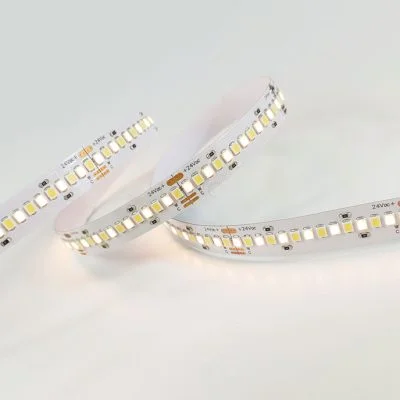
Quando acquisti strisce LED, prendere nota di ciò di cui hai bisogno renderà tutto molto più semplice. Tieni presente i requisiti di installazione, le preferenze di colore e qualsiasi restrizione su dove verranno installate o posizionate: offriamo un'impressionante selezione di strisce LED per soddisfare tutte le tue esigenze di illuminazione! Sfoglia il nostro strisce LED bianche regolabili E catalogo completo di strisce LED.
Considerazioni finali
Scegliere una striscia LED progettata per un uso multiuso è semplice. Il bianco regolabile contribuirà ad aumentare la produttività fornendo allo stesso tempo benefici rilassanti. KayTai fornisce strisce LED bianche di alta qualità a prezzi competitivi, offrendo ai nostri clienti un servizio clienti eccezionale e opportunità di risparmio sui costi.
9. Domande comuni e relative risposte (FAQ)
▶Le strisce luminose da 12 V e 24 V funzionano insieme?
No. Una striscia LED da 12 V non si accenderà se al tuo progetto è collegata una striscia LED da 24 V. Il nastro LED RGB può mostrare una debole luce rossa se collegato insieme; Le strisce da 12 V collegate a fonti di alimentazione da 24 V diventano ancora più pericolose a causa del surriscaldamento in pochi secondi, portando potenzialmente anche a rischi di incendio se lasciate collegate per troppo tempo.
▶La striscia da 12 V ha un grado di sicurezza più elevato rispetto alla striscia da 24 V?
Entrambi i valori nominali sono valori di tensione relativamente bassi e quindi differiscono poco in termini di grado di sicurezza. Come discusso in precedenza, la caduta di tensione può svolgere un ruolo importante: i sistemi a tensione più bassa comportano maggiori perdite, quindi è più probabile che si verifichino cadute di tensione con i sistemi a 12 volt.
▶Una striscia LED da 24 V può funzionare con una tensione di 12 V?
Potrebbe essere necessario un trasformatore o un aumento di tensione per collegare una striscia da 24 V a una fonte di alimentazione da 12 V, poiché le strisce da 24 V sono costituite da più stringhe di 6 LED che non possono essere smontate per adattarsi a sorgenti da 12 V.
▶Una striscia LED da 12 V può funzionare a 24 V?
Sfortunatamente no, poiché la sovratensione danneggerà e distruggerà una striscia da 12 V quando alimentata con una fonte di alimentazione da 24 V.
▶Quale modello di striscia LED è migliore: 12V o 24V?
Questo dipende interamente dalla tua applicazione; ora che ne capisci sia i vantaggi che gli svantaggi, 24 V potrebbero essere adatti se la lunghezza di taglio non ha importanza; 12V sarebbe più consigliabile a causa delle limitazioni di spazio.
Ottieni strisce LED bianche regolabili per il tuo progetto
Scegli la tua gamma CCT, CRI e classificazione IP: il nostro team ti aiuterà a specificare la striscia bianca regolabile perfetta con i prezzi diretti dalla fabbrica.
Contatta KayTai
Guida utile sulle strisce Tunable White. La gamma CCT e le opzioni di controllo sono spiegate bene. È utile la sezione sulla scelta del chip giusto per variazioni di colore uniformi.
Guida utile sul tunable white. La gamma CCT e le opzioni di controllo sono spiegate bene. È utile la nota sulla selezione del chip per variazioni di colore uniformi.