
Choosing the right LED strip light can transform your living space, adding both functionality and ambiance. As a professional LED strip light manufacturer from China, we at KayTai understand the importance of selecting high-quality, smart home-compatible lighting solutions. Whether you’re looking for accent lighting in your bedroom or waterproof options for outdoor use, this guide will walk you through the essential steps to choose the perfect LED strip light. LED strip lights have become increasingly popular in smart homes due to their versatility, energy efficiency, and ability to create stunning visual effects. From creating a cozy atmosphere in your bedroom to adding a modern touch to your ceiling, LED strips offer endless possibilities for home decoration and lighting. Before we dive into the specifics, it’s important to note that not all LED strip lights are created equal. As a leading China LED strip light supplier, we at KayTai pride ourselves on delivering top-quality products that meet the highest standards of performance and durability.
💡 High-quality LED strip lights can last up to 50,000 hours, which is equivalent to over 5 years of continuous use. LED strip lights use up to 75% less energy than traditional incandescent lighting, making them an eco-friendly choice for smart homes.
İçindekiler
1. How to Determine Your Lighting Needs?
The first step in choosing the perfect LED strip light is to assess your lighting needs. Are you looking for accent lighting to create a cozy atmosphere in your bedroom, or do you need bright task lighting for your kitchen countertops? Understanding your specific requirements will help you narrow down your options and choose the most suitable LED strip light for your space. When determining your lighting needs, consider factors such as the room’s size, the desired ambiance, and the primary purpose of the lighting. For example, LED strip lights for bedrooms might focus more on creating a relaxing atmosphere, while strips for a home office might prioritize brightness and color accuracy.
Bedroom
Ambient lighting — dimmable, warm CCT options. See our bedroom guide.
Mutfak
Task lighting — high brightness, cool CCT.
Oturma odası
Accent lighting — RGB color-changing, smart control.
Bathroom
Functional lighting — waterproof, high CRI.
Home Office
Productive lighting — adjustable CCT, glare-free.
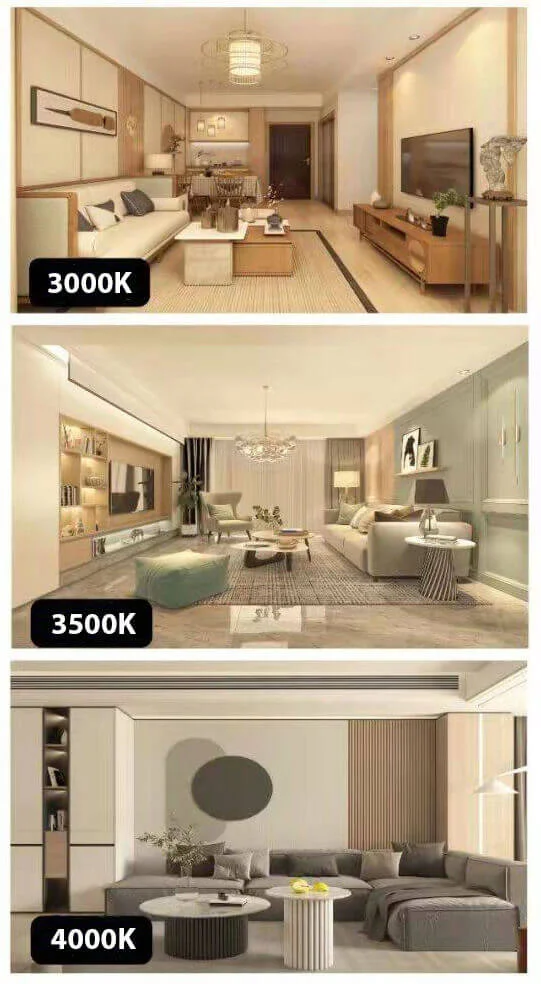
💡 The human eye perceives different color temperatures as more or less relaxing. Warm light (2700K-3000K) is often preferred for bedrooms, while cooler light (4000K-6500K) can enhance productivity in work areas. LED strip lights with high Color Rendering Index (CRI) of 90+ can accurately display colors, making them ideal for areas where color accuracy is important, such as bathrooms or art display areas.

2. What Role Does Color Temperature and Brightness Play in LED Strip Selection?
Color temperature and brightness are crucial factors that significantly impact the mood and functionality of your lighting. Understanding these concepts will help you choose LED strip lights that perfectly complement your space and meet your lighting needs. Color temperature, measured in Kelvin (K), determines whether the light appears warm (yellowish) or cool (bluish). For a cozy, relaxing atmosphere in bedrooms or living rooms, opt for warm white LEDs (2700K-3000K). For task-oriented areas like kitchens or home offices, consider cool white LEDs (4000K-6500K) that promote alertness and productivity. Brightness, measured in lumens, determines how much light the LED strip emits. The right brightness level depends on the room’s size and the lighting purpose. For accent lighting, you might want lower brightness levels, while task lighting requires higher brightness.
Low Brightness
100-250 lumens/ft — ambient lighting, TV backlighting.
Medium Brightness
250-500 lumens/ft — under-cabinet lighting, cove lighting.
High Brightness
500-1000+ lumens/ft — task lighting, primary room illumination.
💡 Some advanced LED strip lights offer tunable white light, allowing you to adjust the color temperature from warm to cool throughout the day, mimicking natural daylight patterns and supporting your circadian rhythm. The brightness of LED strips can be affected by factors such as the density of LEDs per meter and the quality of the LED chips used. See our color temperature guide for details.
3. Why Is the IP Rating Important When Choosing LED Strip Lights?
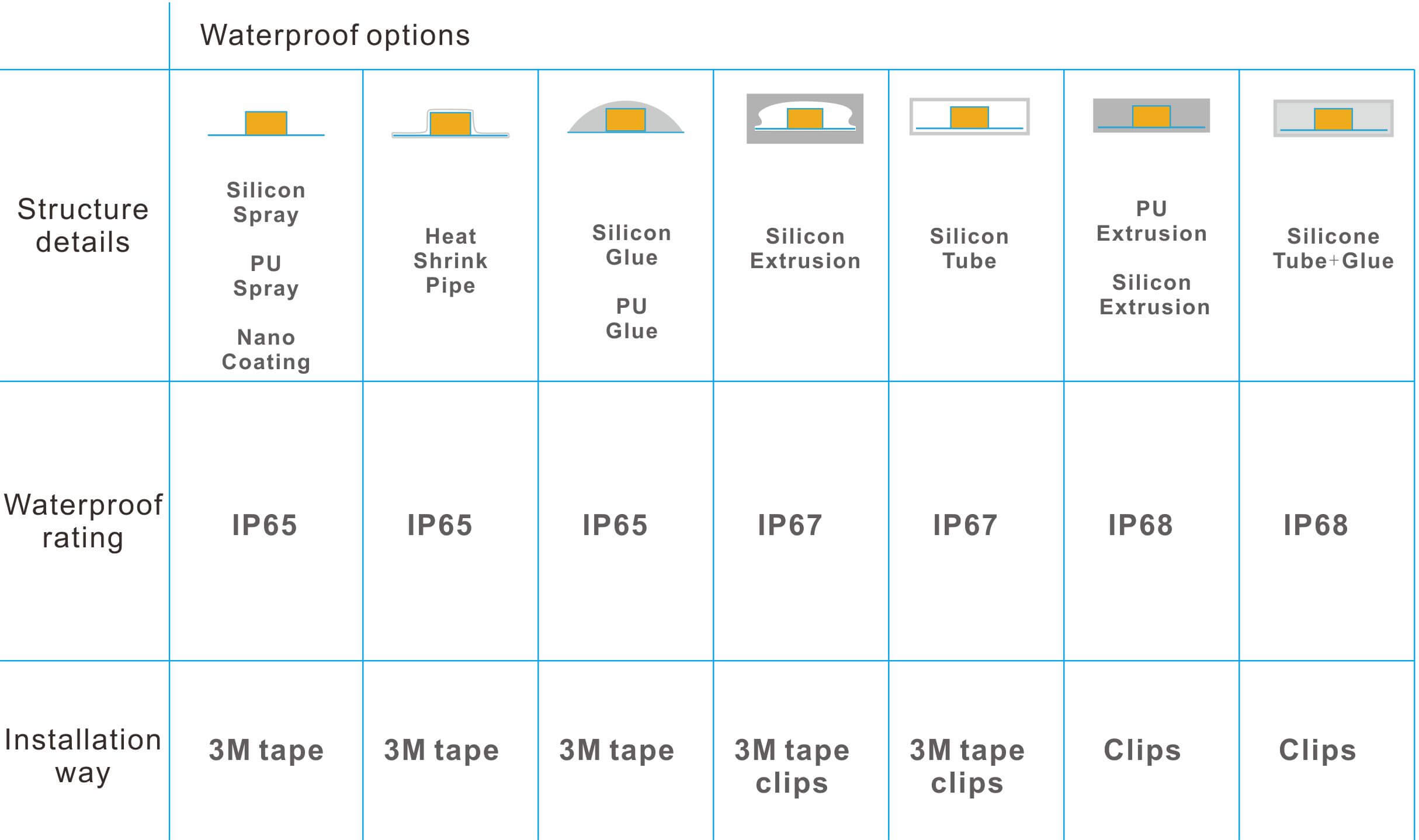
The IP (Ingress Protection) rating is a crucial factor to consider when selecting LED strip lights, especially for areas exposed to moisture or outdoor environments. This rating indicates the level of protection against dust and water ingress, ensuring the longevity and safety of your lighting installation. Understanding IP ratings is essential for choosing waterproof LED strip lights that can withstand various environmental conditions. The rating consists of two digits: the first indicates protection against solid objects, and the second against liquids. For indoor use in dry areas, a standard non-waterproof LED strip (IP20) may suffice. However, for kitchens, bathrooms, or outdoor installations, you’ll need higher IP ratings to protect against moisture and water exposure.
IP20
No water protection — dry indoor areas.
IP44
Splash-resistant — bathrooms, covered patios.
IP65
Water-resistant — kitchens, outdoor under cover.
IP67
Waterproof — outdoor, temporary submersion.
IP68
Fully waterproof — underwater applications.
💡 LED strip lights with an IP65 rating or higher can withstand direct water spray, making them suitable for outdoor use in most weather conditions. While higher IP ratings offer better protection, they may also affect the flexibility and ease of installation of the LED strip. Consider the balance between protection needs and installation requirements when making your choice. See our waterproof buying guide.
4. How to Ensure Smart Home Compatibility and Control Options?
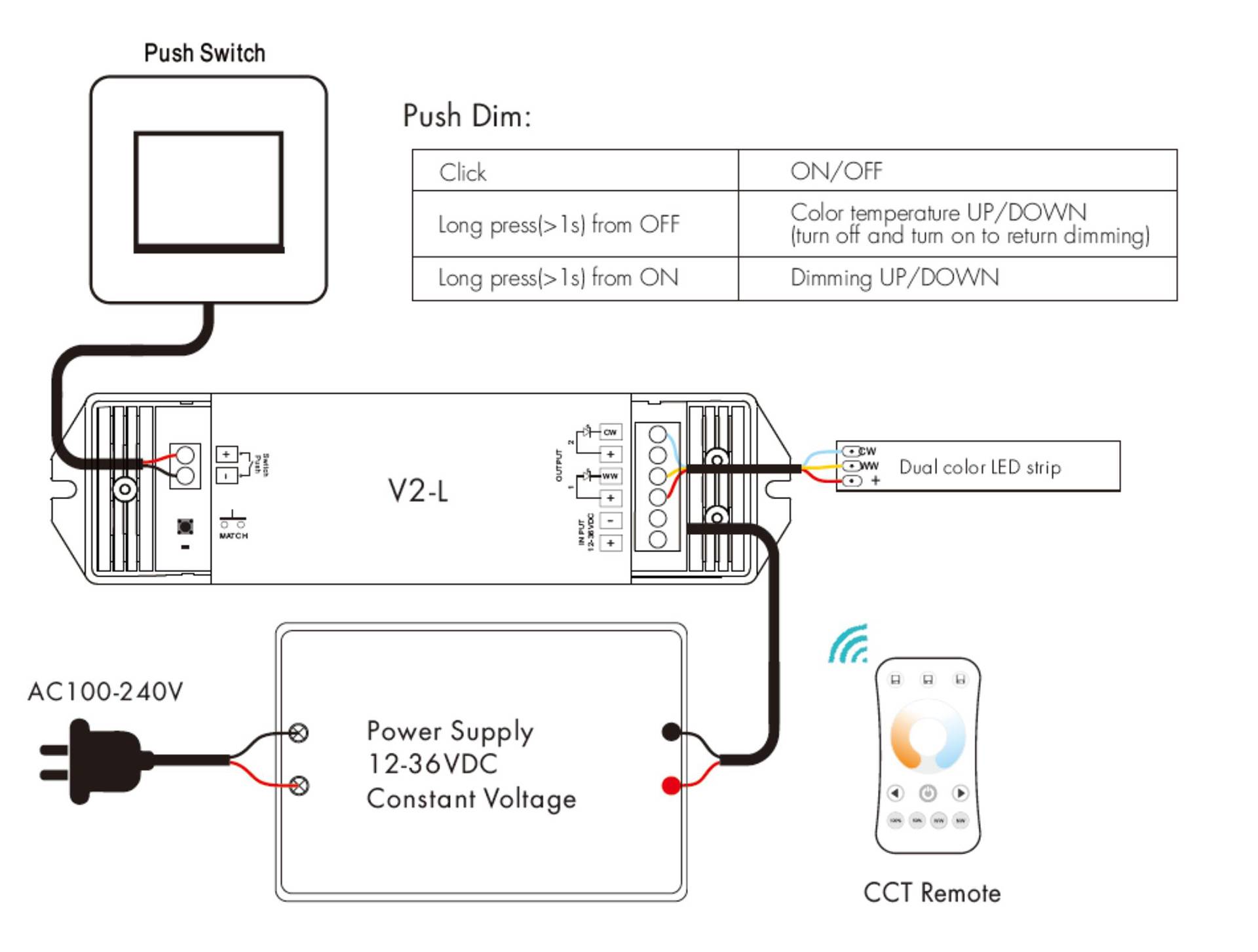
In today’s connected world, smart home compatibility is a key consideration when choosing LED strip lights. The ability to control your lighting through voice commands, smartphone apps, or home automation systems adds convenience and enhances the overall smart home experience. When selecting LED strip lights for your smart home, look for options that support popular protocols like Wi-Fi, Bluetooth, Zigbee, or Z-Wave. These technologies allow seamless integration with smart home hubs and voice assistants such as Amazon Alexa, Google Home, or Apple HomeKit. Advanced control options can include features like: color changing and dimming capabilities, scheduling and timer functions, music synchronization, and custom scene creation.
Smart LED Strips
App, voice, and automation control; full-range dimming; millions of colors; customizable schedules.
Integration
Works with other smart devices, no separate hub needed for Wi-Fi models.
Addressable LEDs
WS2812B-style strips enable pixel-level color control and complex effects.
💡 Some advanced LED strip lights can be controlled via Wi-Fi without the need for a separate hub, simplifying the setup process and reducing overall system cost. LED strip lights with individual addressable LEDs (like WS2812B) offer the most advanced control options, allowing for pixel-level color control and complex lighting effects. See smart-controlled RGB strips.
5. LED Strip Lights Manufacturing Process
LED lighting production requires high precision, but many manufacturers make their lights on basic assembly lines. We strictly regulate and monitor all processing steps in our manufacturing system. We also have a full set of equipment designated for production and quality control. We employ experienced engineers who are also factory supervisors to ensure strict quality control for every single LED strip light. Read more in How Are LED Strip Lights Made?
Adım 1. LED Şerit Malzemesi IQC
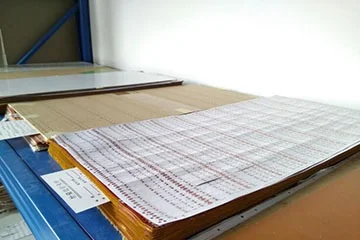
Materials arrived in the factory, no matter PCB, LED, IC, resistance, aluminum profile, or cables, need QC check. All the items need to meet the requirement.
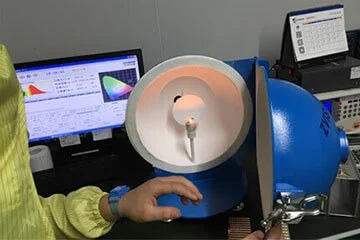
Adım 2. LED Renk Sıcaklığı Kontrolü
Artık tüm yeni LED çipleriyle LED'lerin renk sıcaklığını test etmeniz gerekiyor. Aynı rengin parlaklığı her zaman aynı değildir. Renksel Geriverim İndeksi de müşteriyle emin olmanız gereken bir konudur.
Adım 3. LED Kuru İşlem
Genellikle bu süreci SMT süreci takip edecektir. LED'in SMT ile işlenmeden önce kurutulması gerekir. Kurutma sıcaklığı 8 saatte 65°C'den az değildir.

Step 4. SMT Process
LED strip light SMT process is widely used in modern lighting units. SMT stands for Surface Mount Technology, but it also includes a high-speed automated machine.

Adım 5. Yeniden Akıtma Lehimleme İşlemi
After SMT, the components and PCB use the solder paste. The PCB from the reflow soldering machine goes into a certain temperature, melting the solder paste and bonding the components.

Adım 6. Denetim Süreci
We have 100% test to make sure there is no physical damage to the products. The visual inspection ensures that there is no color shift in the LEDs and no misaligned components.

Adım 7. Lehimleme İşlemi
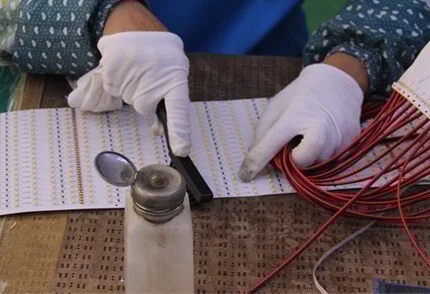
Some small-size PCB with the zero angle, lead-free soldering process. After inspection, the LED ribbon passes through a soldering machine, connecting 0.5m ribbon to 5m long strips.

Adım 8. PCB Temizleme Süreci
The PCB surface for the LED strip has a soldering iron to clean. Solder the IC can be used to prevent oxidization during the soldering process, then clean the excess.
Adım 9. Yaşlanma Süreci
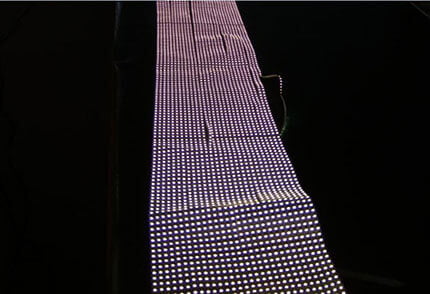
All the LED products need a lighting test for 8 hours, to ensure each LED runs in good condition. We can measure the colors during the lighting test and check the driver works well.
Adım 10. Su Geçirmez İşlem
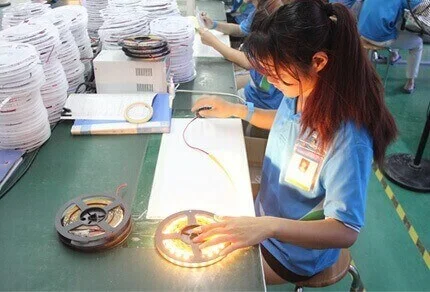
LED strip lights are waterproof and also rust resistant, suitable for a number of applications inside and outside the house. There are high quality IP65 silicon tube and IP67 silicon injection options.

Adım 11. 3M Bant Ekleme İşlemi
The 3M tape on the strip’s backside provides consumers with convenience and ease in installing LED strip lighting. We use 3M 9080 for all the non-waterproof and waterproof strips.

Adım 12. Son Muayene
After the entire LED strip package has passed through our processing, KayTai’s quality control department will perform a final check on our products.
Soru-Cevap
▶How long do LED strip lights typically last?
High-quality LED strip lights can last up to 50,000 hours or more, which is equivalent to over 5 years of continuous use. However, the actual lifespan can vary depending on factors such as usage patterns, environmental conditions, and the quality of the LEDs and components used.
▶Can I install LED strip lights myself, or do I need a professional?
Many LED strip lights are designed for easy DIY installation. However, for complex setups, outdoor installations, or if you are not comfortable with electrical work, it is best to consult a professional electrician to ensure safe and proper installation.
▶Are LED strip lights energy-efficient?
Yes, LED strip lights are highly energy-efficient. They use up to 75% less energy than traditional incandescent lighting, which can lead to significant savings on your electricity bill over time.
▶Can I cut LED strip lights to fit my space?
Most LED strip lights can be cut to length, but only at designated cutting points marked on the strip. Always check the manufacturer’s instructions before cutting to ensure you don’t damage the strip. See our cutting guide.
Find the Perfect Smart LED Strip for Your Home
Tell us your space and lighting goals — KayTai will recommend the right strip with factory-direct pricing.
Daha derine inmek ister misin? Tamamımızı okuyun LED şerit satın alma rehberi Tam teknik döküm için.

Good selection guide for smart strips. The compatibility notes with hubs are the most valuable part. Helped me pick a system that actually integrates with my setup.
Good guide for smart home strip selection. The compatibility notes with hubs and assistants are the most valuable part. Helped me pick a system that actually integrates.