
Choosing the right dimmer for your LED lighting setup is pivotal for achieving optimal performance, energy efficiency, and user satisfaction. Here, we’ll dissect the differences between leading edge and trailing edge dimmers to guide you towards a decision that best suits your LED lighting needs. At KayTai, we help customers build complete, dimmable LED strip lighting systems.
Table of Contents
1. Understanding Dimmer Technologies
Leading edge dimmers cut power at the start of the AC cycle. They are best for incandescent and halogen lights, but are less compatible with LEDs due to potential flickering, buzzing, or dimming issues. Pros: economical, readily available, suitable for high-wattage applications. Cons: less energy-efficient, can generate heat, and may produce noise.
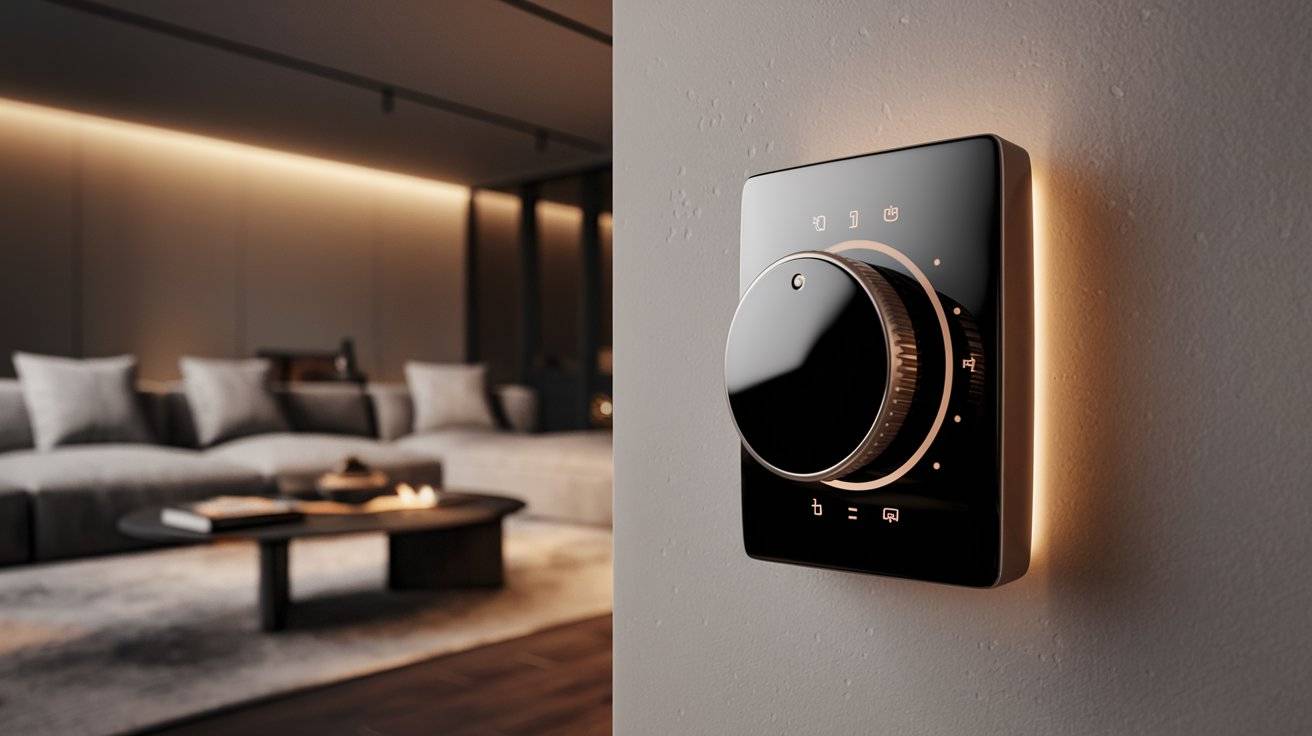
Trailing edge dimmers cut power at the end of the AC cycle, providing smoother dimming control. They are designed for LEDs and CFLs, minimize issues like flickering, and work well with a variety of light sources. Pros: energy-efficient, silent operation, excellent for dimming quality, integrates with smart home systems. Cons: more expensive, less commonly used in basic setups.

2. Leading vs. Trailing Edge: Comparative Analysis
| Feature | Leading Edge | Trailing Edge |
|---|---|---|
| Compatibility | Better with traditional lights; problematic with LEDs | Excellent for LEDs, CFLs |
| Dimming Quality | Inconsistent with LEDs; flickering or buzzing | Smooth, flicker-free dimming |
| Noise | Can be noisy | Generally silent |
| Energy Efficiency | Less efficient for LED applications | More efficient with low-wattage LEDs |
| Cost | Lower initial cost | Higher, justified by performance |
| Load Capacity | High minimum load | Low minimum load, ideal for LED setups |
| Smart Home | Limited integration | Well-suited for automation |
💡 For LED strip lighting, trailing edge dimmers provide the smoothest, most reliable dimming experience.
3. Choosing the Right Dimmer
Key considerations: lighting type — if your setup is primarily LED, trailing edge is preferable; budget — evaluate the long-term benefits against initial costs; dimming quality — for a premium experience, trailing edge dimmers provide superior control; smart home integration — trailing edge dimmers offer better compatibility with home automation.
Lighting Type
LED setups favor trailing edge dimmers.
Budget
Weigh long-term benefits vs. initial costs.
Dimming Quality
Trailing edge gives premium control.
Smart Home
Trailing edge integrates better with automation.
💡 Ensure the dimmer’s wattage range aligns with your lighting load to prevent operational issues.
Conclusion
When optimizing for LED lighting, trailing edge dimmers stand out due to their compatibility, performance, and integration capabilities. However, the choice should also consider your specific needs, including cost, lighting environment, and future technological integration. For those looking to maximize the benefits of LED technology, trailing edge dimmers are the recommended choice. For further detailed insights, consider consulting with lighting specialists or diving into user reviews and case studies that showcase these technologies in practical applications.
Build a Dimmable LED System
Get compatible strips, dimmers, and controllers from KayTai — all in one place.

The leading and trailing edge distinction is finally clear. Matching the dimmer to the driver type prevents flicker and compatibility problems. This saved me from a bad purchase.
The leading vs trailing edge dimmer explanation is excellent. Compatibility with LED drivers is the part people usually get wrong, and this makes it clear. Saved me from a bad purchase.
As an electrical contractor in Singapore, dimmer compatibility is a constant question. The leading vs trailing edge explanation is the clearest I have seen, and the minimum load note saved us from a flickering installation in a hotel corridor. Excellent reference.