
When you buy an LED strip, the datasheet is full of terms: LEDs per meter, watts per meter, maximum run length, voltage drop, bending radius. It can feel like a foreign language.
This guide decodes the five most important specs — in plain English — so you can read any datasheet and choose the right strip confidently.
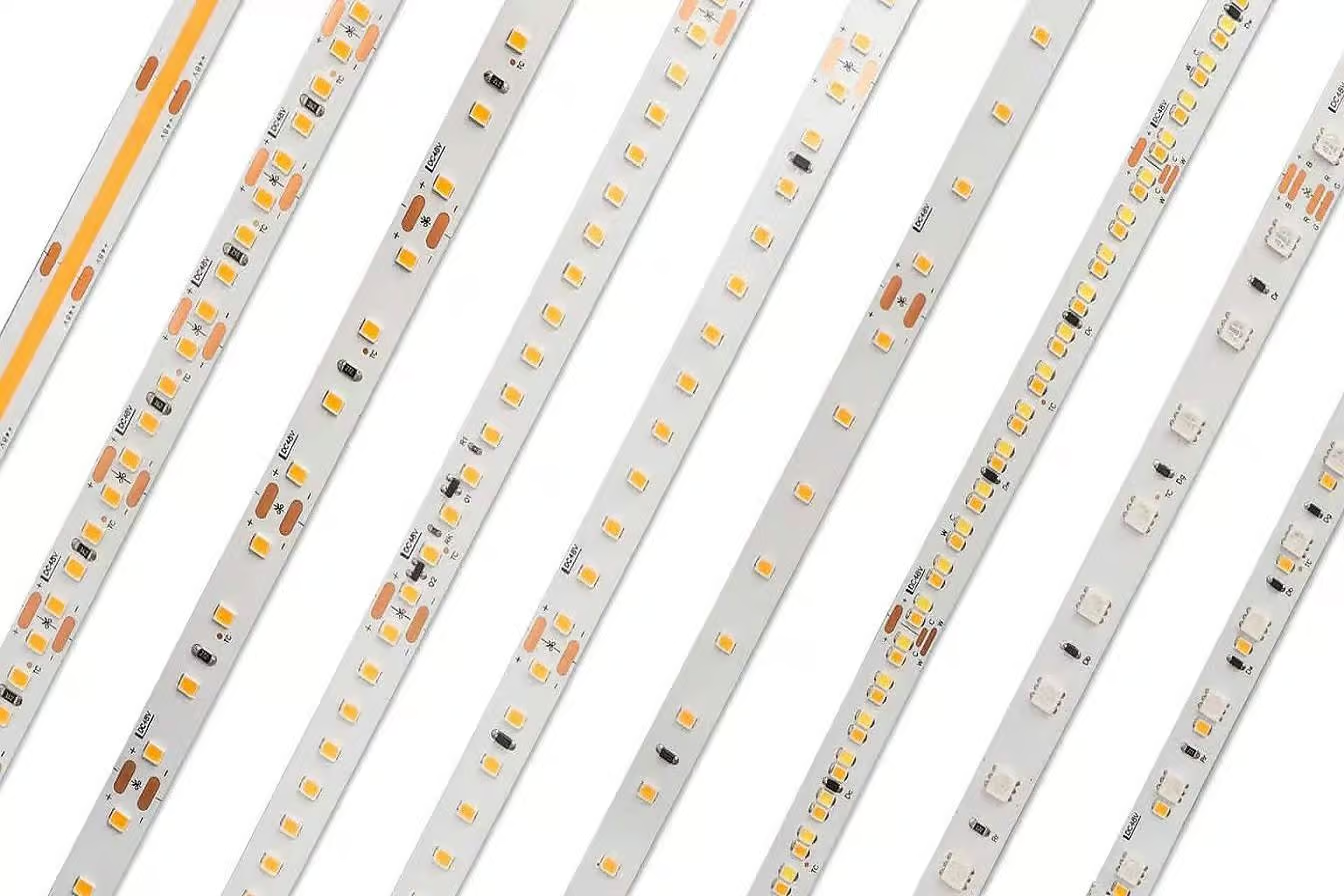
01 LED Density: LEDs per Meter
ЛЕД густина is simply how many LED chips sit on each meter of strip — written as “LEDs/m” (e.g. 60 LEDs/m). It is one of the first numbers you will see on any datasheet.
Density at a Glance
- 30 LEDs/m — low density: subtle accent light, visible dots
- 60 LEDs/m — medium: general accent lighting, value choice
- 120 LEDs/m — high: smooth light for under-cabinet and task lighting
- 180 LEDs/m — very high: near-seamless light, premium look
- 240 LEDs/m — ultra high: COB-style seamless light without dots
Higher density generally means smoother light and higher brightness, but also higher power draw and cost.
02 Power Consumption: Watts per Meter
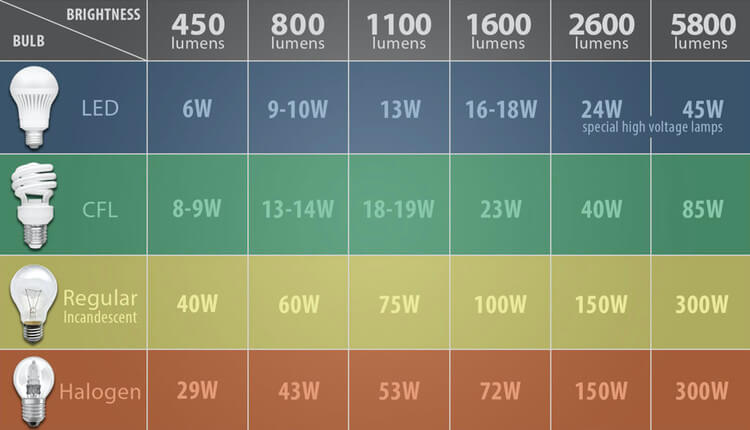
Watts per meter (W/m) tells you how much electricity the strip uses — and directly affects brightness and power-supply sizing.
Typical Power Ranges
| Density | Typical Power |
|---|---|
| 30 LEDs/m | ~4 – 6 W/m |
| 60 LEDs/m | ~6 – 8 W/m |
| 120 LEDs/m | ~9 – 12 W/m |
| 180 LEDs/m | ~12 – 14 W/m |
| 240 LEDs/m (COB) | ~8 – 12 W/m |
Estimate Your Energy Cost
Use this simple formula: kWh = (watts ÷ 1000) × hours.
See our guide to price vs value to understand how efficiency affects long-term cost.
03 Maximum Run Length: How Far Can a Strip Run?
Every strip has a maximum run length — the longest single length it can run before brightness drops or the strip overheats. It depends on voltage, copper width, and whether the driver is constant-voltage or constant-current.
| Систем | Typical Max Run |
|---|---|
| 12V constant-voltage strip | ~5 m (single run) |
| 24V constant-voltage strip | ~5 – 10 m |
| 240V / 230V strip (mains) | ~50 m |
| 48V constant-current strip | ~60 m+ (with injection) |

Extending Past the Limit
For longer runs, installers use убризгавање снаге — feeding power at multiple points — or run parallel feeds. This keeps every section bright.
Voltage choice matters too. Compare 12V vs 24V to plan longer runs.
04 Voltage Drop: Why Strips Dim at the End
Voltage drop happens because every copper trace has a little resistance. As current travels along the strip, voltage gradually falls — so the far end can be dimmer or even change color.
What Causes It
- The natural resistance of the copper traces
- Thinner copper = more resistance = more drop
- Longer runs and higher current increase the effect
Higher voltage systems (24V vs 12V) carry less current for the same power, so they suffer less voltage drop. Learn more in our voltage drop guide.
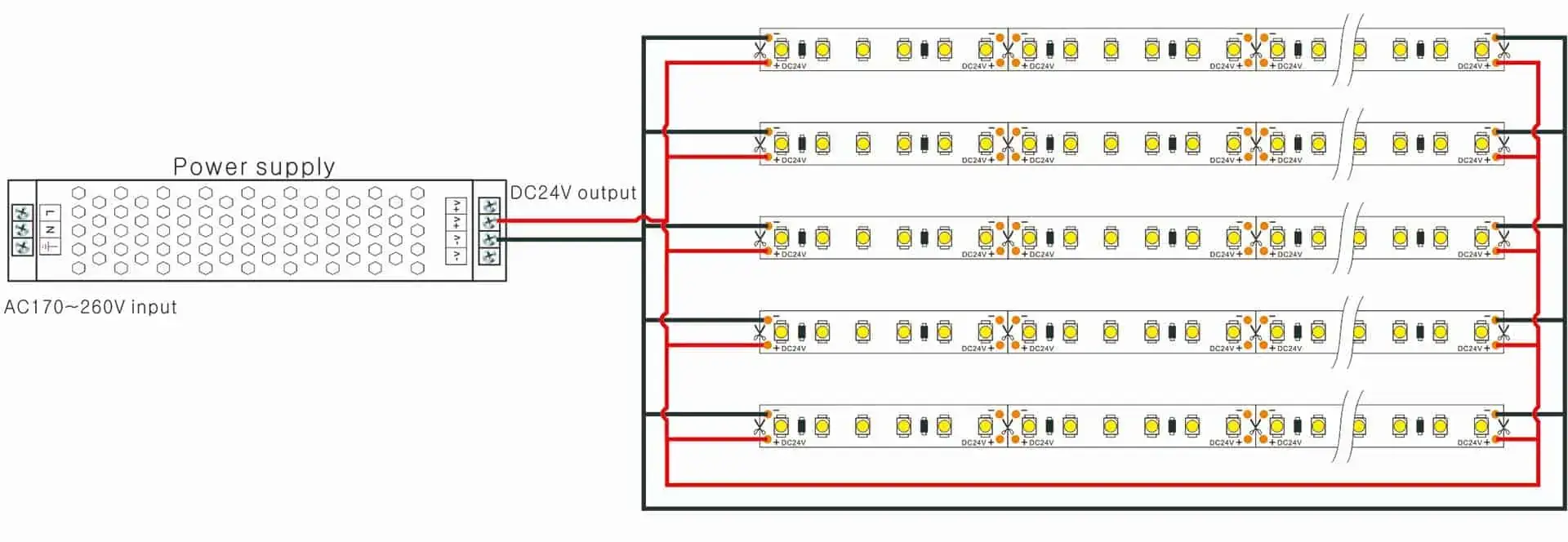
Pro tip: Feeding power to both ends of a long strip is a simple way to halve the effective drop.
05 Bending Radius: How Tight Can You Bend It?
Bending radius is the tightest curve a strip can make without damaging its circuit. Forcing a tighter bend can crack the PCB or break traces.

Typical Bending Limits
- Standard strips — bend radius ~20–30mm
- COB strips — can bend much tighter, ~5mm radius
- Side-view strips — bend sideways (90°), ideal for tight corners
- Neon flex — flexible casing, can form curves and shapes
Need tight corners? See our side-view strips и bendable strips.
06 How to Choose Your Specs
Here is a simple decision path:
Where to Start
Browse our full LED strip range or talk to our engineers — we help customers pick the right density, voltage, and length every day.
07 LED Strip Specs FAQ
К1What does “LEDs/m” mean?
It is the number of LED chips per meter of strip. More LEDs per meter means smoother light and higher brightness, but higher power draw. Common values: 30, 60, 120, 180, 240.
К2How do I calculate the power supply size?
Multiply watts per meter by total length, then add 10–20% headroom. Example: 10W/m × 5m = 50W, so use a 60W power supply.
К3Why is one end of my strip dimmer?
That is voltage drop — the natural resistance of the copper reduces voltage along the strip. Use thicker copper, a higher voltage (24V), or inject power at multiple points.
К4What is the difference between 12V and 24V strips?
24V carries half the current of 12V for the same power, so it suffers less voltage drop and supports longer runs. 12V is easier to integrate into some projects. See our comparison.
Unsure Which Spec You Need?
Send us your project details and our engineers will recommend the right strip specs.