
Waterproof LED strip lights are essential for bathrooms, kitchens, outdoor patios, swimming pools and saunas. This guide from KayTai — a professional LED strip manufacturer — explains IP ratings, the different waterproofing methods, and how to choose the right IP grade for your project. Browse our waterproof single-color LED strips и waterproof LED strip guide for more options.
Table of Contents
1. What is IP Rating?
IP stands for International Protection Marking. The IP code is an international standard for rating the water resistance of electrical equipment. It tells you exactly how well a strip is protected against solids and liquids.
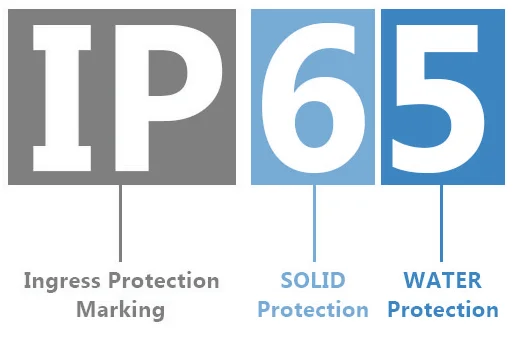
The rating is read like this:
First Number
Shows how well the product resists dust and solid objects.
Second Number
Shows how well the product resists water flow.
Third Number
Shows how well the product resists water flowing from any direction.
2. Why Do We Need Waterproof LED Strips?
LED strip lights are widely used in households and offices. But on many occasions, we need to use waterproof strips — such as in the bathroom, kitchen, outdoor areas, swimming pool, sauna, and so on. Waterproof LED strip lights are designed with IP65, IP67, or IP68 grade waterproof ratings, so they can be used safely in wet locations.

Bathroom
Use LED strips for decoration or to provide light for makeup — safely in a wet, humid environment.
Kitchen
Put waterproof strips on the ceiling as a lamp or as decoration, where steam and splashes are common.
Outdoor
Install strips outside your home or office with high resistance to rain and moisture — they will not be damaged by humidity.
3. How Many Ways to Waterproof LED Strip Lights?
KayTai is a professional LED lighting manufacturer. There are different ways to waterproof LED strip lights. Here we introduce silicone gel and silicone sleeve methods for waterproofing LED strips.
IP55 – Silicone Coating
Adding a layer of silicone coating on top of the strip prevents dust and moisture. 5 = good dust-proof and touch protection; 5 = good moisture proofing. Application: dry or wet areas such as living room, kitchen and bathroom. Not recommended where water can be splashed.
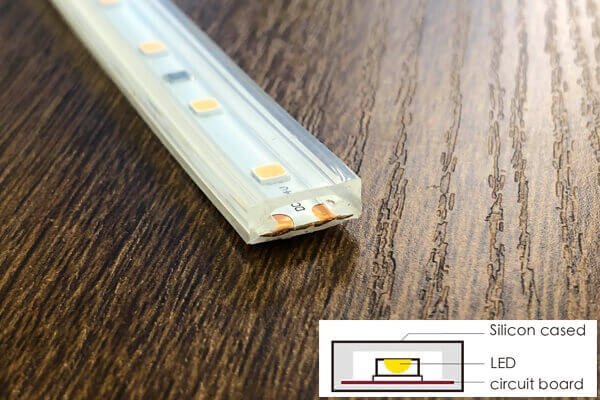
IP65 – Silicone Tube
Wrap the strip with a hollow silicone casing and seal both ends with silicone end caps. 6 = good dust-proof and touch protection; 5 = protects against spraying water from all directions. Application: wet or water-splashed areas such as kitchen, bathroom and eaves. As the casing is hollow, it is not recommended for outdoor use.
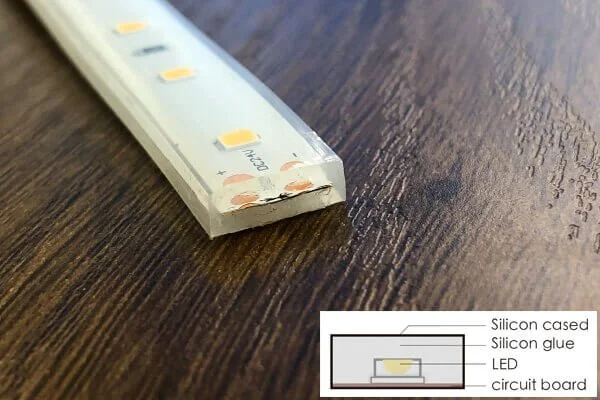
IP67 – Silicone Tube + Injection
Wrap the strip with a hollow silicone casing, then fill it with silicone to form a sealing effect. 7 = underwater protection against water intrusion. Application: can be immersed in water, such as swimming pools or fish tanks.

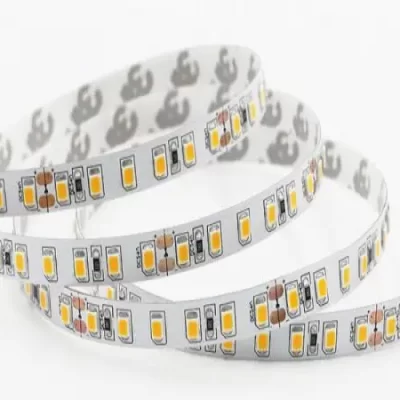
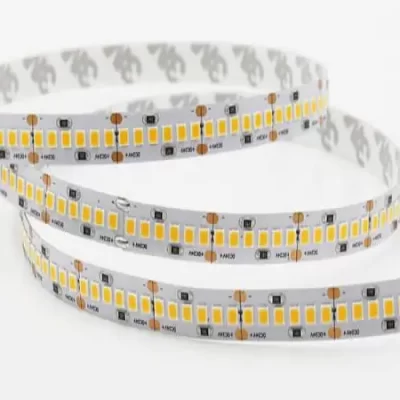
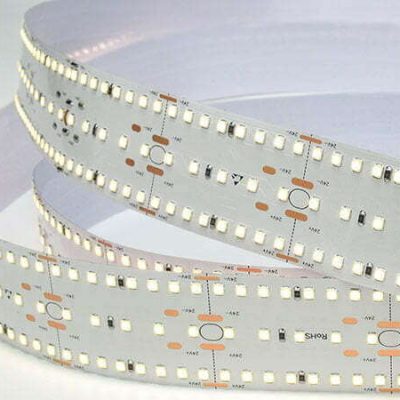
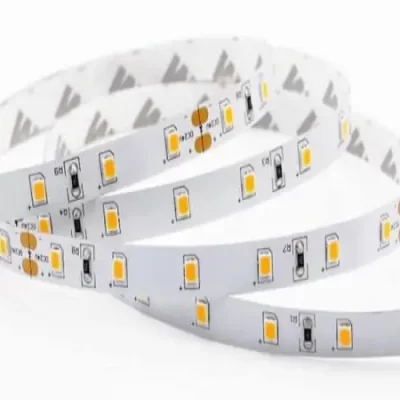
Related waterproof products from KayTai:


4. What Materials Can Make Waterproof LED Strips?
This section covers three types of waterproof materials — why we need them and their pros and cons. When it comes to waterproofing, there are three most popular types of materials: Epoxy resin, PU glue, and Silicone glue.
4.1 Epoxy Resin
KayTai epoxy resin has the advantages of low cost, good maneuverability, and low toxicity, making it popular for cheap LED strips. But there is a fatal flaw in its molecular structure. First, its heat conductivity is poor, which reduces the lifespan of the strip. Second, epoxy resin easily yellows after half a year, affecting color temperature. Besides, it cannot resist high and low temperatures — it hardens and cracks easily below 0°C.
4.2 Polyurethane Glue
The cost of KayTai PU glue is higher than epoxy resin. It has better yellowing resistance, low-temperature resistance, and better thermal conductivity. But it is toxic: when cured, it produces small molecular compounds with a very bad smell that are not conducive to health. It is also not resistant to high temperatures — do not use PU-glued strips where ambient temperature exceeds 80°C.
4.3 Silicone Glue
The cost of KayTai silicone glue is the highest, but it is an environmentally friendly material with the advantages of both PU glue and epoxy gel. Its heat resistance and low-temperature resistance are excellent — from -50°C to 300°C its structure and performance stay stable, so silicone LED strips work in saunas and refrigerators. It will not turn yellow for a long time, ensuring stable color temperature for high-end projects such as hotels and yachts. It also promotes heat dissipation — though high-power strips (over 20W) still need aluminum channels for heat control.
| Item | Epoxy Resin | Polyurethane Glue | Silicone Glue |
|---|---|---|---|
| Cost | Low | High | Highest |
| Temperature resistance | 0-60℃ | -40-80℃ | -40-220℃ |
| Harden in low temperature | Yes | Performance remained stable | Performance remained stable |
| Heat conductivity | Low | High | High |
| Yellowing / Toxicity / Light trans. | Obvious after half a year / Low / 92% | No / High, bad smell / 95% | No / None / 96% |
5. Tips to Use Waterproof LED Strip Lights
5.1 How to Cut and Connect Waterproof LED Strips?
Joining the LED strip with a connector is quite a simple job when you don’t need waterproofing. All you need is a connector, a plier, and an LED strip. See our guide to cutting and connecting LED strip lights for the full process.
5.2 How to Solder and Seal Waterproof LED Strips?
Soldering two waterproof strips can be a complicated task. It requires some skill, so you may seek professional help to start. Learn more about connecting multiple LED strips.
5.3 How to Install Waterproof LED Strips?
In terms of installation, there is a common process for waterproof and other LEDs. It is not too complicated either. However, you have to closely follow the steps to provide more effective results in the longer run. Read our complete LED strip installation guide.
6. Frequently Asked Questions
▶Is LED strip light waterproof?
Waterproof LED strip light is a very good lighting product. They have many waterproof ratings, for example IP65, IP67 and IP68, which means they are dustproof, water resistant, and even waterproof. Waterproof LED strips have many advantages. First, they resist water, which makes installation easier. Second, because they are waterproof, you can use them in wet places like bathrooms or kitchens without worrying about water damage. Third, they can be used outdoors where there may be rain or snowfall every day — made of high-quality weatherproof materials, they protect your investment in patios, decks, garages or outdoor kitchens.
▶What is the difference between IP33 and IP65?
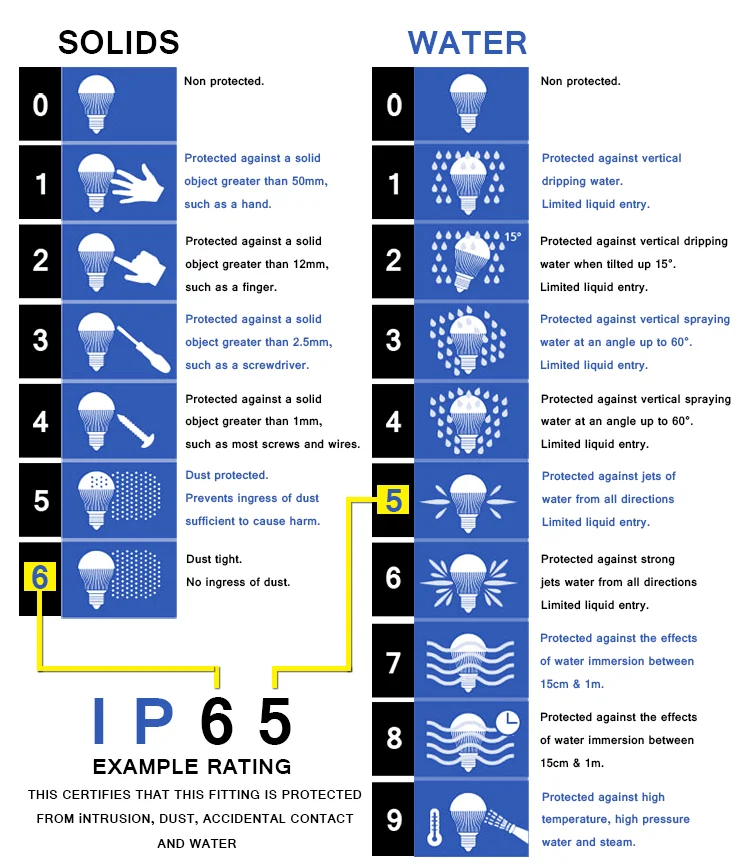
IP stands for Ingress Protection, a standard set by the International Electrotechnical Commission (IEC). The IP rating determines how protected your product is from solid objects and liquids. Three main ratings to know: IP22 — protected against dripping water when tilted up to 15° from vertical; IP44 — protected against spraying water when tilted up to 60° from vertical; IP65 — protected against falling rain and sprinkler irrigation.
▶Can you put LED lights above the shower?
Waterproof LED strip lights are a very good lighting product with ratings like IP65, IP67, IP68 and more. They can be used in many places where moisture is expected. Waterproof strips are easy to install and easy to remove when needed, and can be cut to any length with scissors or a knife. They are used in the bathroom, kitchen, patio and more — for shower zones, choose a strip rated for direct water exposure.
▶What IP rating should I use outside?
Waterproof LED strip lights have many IP ratings, and we can choose different ones for outdoor applications. The IP rating is a numeric code indicating the degree of protection provided by the enclosure. The first digit indicates protection against solid objects such as dust, while the second digit refers to liquid ingress protection. IP rating chart: 0 — no special protection; 1 — protected against solid bodies larger than 50mm; 2 — larger than 12mm; 3 — larger than 2.5mm; 4 — larger than 1mm; 5 — protected against immersion between 15cm and 100cm. For typical outdoor use, IP65 is a solid baseline and IP67/IP68 are best for rain-exposed or fully submerged installations.
Conclusion
In fact, a waterproof LED strip is not just a simple lighting product — it also has other features. There are a lot of models of waterproof LED strips which give you different specifications and designs. So if you want to choose the best waterproof LED strip light, you should know them first. Need help selecting the right IP grade? Contact our team and we will help you match the perfect waterproof strip to your project.
Get the Right Waterproof LED Strip for Your Project
Tell us your application — bathroom, kitchen, outdoor or pool — and we’ll recommend the ideal IP rating with factory-direct pricing.
Контактирајте КаиТаи
1 thought on “Waterproof LED Strip Light ( IP55, IP65, IP67) Buying Guide”