
Lighting a swimming pool is not the same as lighting a room. Water conducts electricity, pool chemicals attack plastics, and a single badly sealed joint can turn a beautiful feature into a liability. That is why pool lighting needs an engineering approach, not just a strip and a plug.
This guide covers the full picture for LED strip and LED neon flex lighting for swimming pools: the wet-zone map, IP68 waterproofing, chlorine and UV resistance, low-voltage safety, colour design, a step-by-step installation sequence and the testing phases that keep a pool lit for years. Whether you are a contractor, a designer or a pool owner planning a renovation, you will find the decisions that actually decide performance.
- Pool Lighting Zones: Where Water Meets Electronics
- IP Ratings: Why IP68 Matters Underwater
- The Chemistry Challenge: Chlorine, Salt, pH and UV
- Low-Voltage Safety: Transformers, GFCI and Wiring
- Colour & Design: Kelvin, RGB vs RGBW
- Strip vs Neon Flex: Which Product for Which Pool Feature
- Trin-for-trin installation
- Testing in Phases
- Common Pool Lighting Mistakes
- Recommended KayTai Products for Pool Projects
- FAQ
1. Pool Lighting Zones: Where Water Meets Electronics
The first decision is not which strip to buy — it is where the light lives. Every pool site divides into four zones with completely different product and sealing requirements:

Designers often draw the zone plan before choosing products. It prevents the classic failure: an IP65 strip in the waterline, or a transformer buried in a damp pit. Use the zone map to write your bill of materials — you will almost always need two or three product types, not one.
2. IP Ratings: Why IP68 Matters Underwater
The IP (Ingress Protection) code tells you how a strip resists dust and water. For pool work, the second digit decides whether a product may be submerged:
| Bedømmelse | Water resistance | Pool use |
|---|---|---|
| IP65 | Water jets / splash-proof | Deck zones, dry-side features — never underwater |
| IP67 | Protected against immersion up to 1 m for 30 min | Splash zone and temporary wetting; short-term immersion only |
| IP68 | Continuous immersion under pressure (depth rated by manufacturer) | The only choice for underwater pool lighting |

Two details matter more than the rating number itself:
- Verify the immersion depth. Ask the factory for the tested depth and duration (1 m vs 3 m makes a difference on pool walls).
- Sealed ends and tails. The weakest point of any “IP68” strip is where it is cut or where the cable exits. Factory-sealed ends and moulded tails fail far less than field joints — see the chemistry section below.
For more on choosing the right waterproof class per location, see our IP55 vs IP65 vs IP67 buying guide.
3. The Chemistry Challenge: Chlorine, Salt, pH and UV
Most LED strips fail in pools not because of water, but because of chemistry. Pool water is treated, heated and exposed to sunlight — a harsh cocktail for standard plastics:
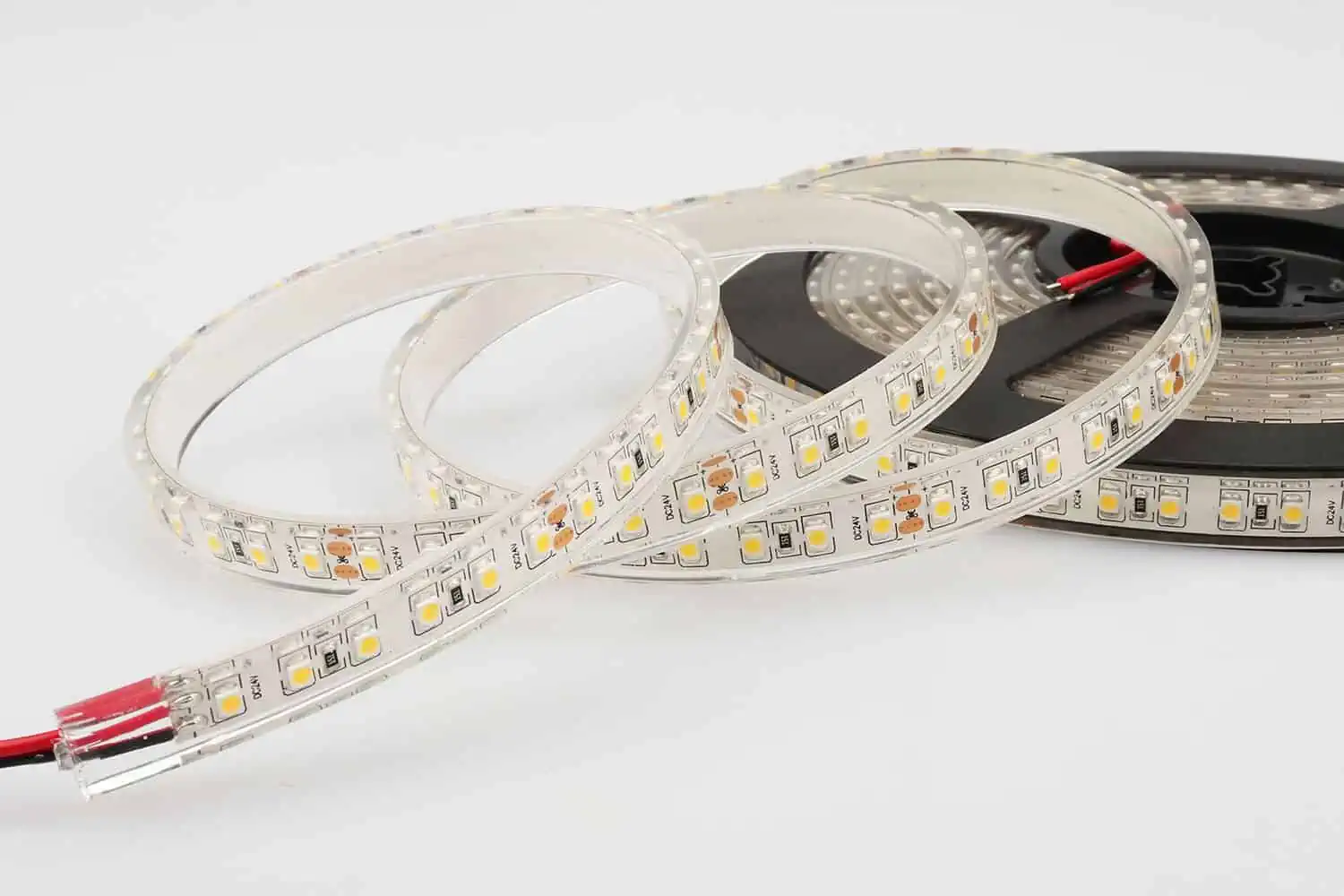
Rule of thumb: if a product’s datasheet does not mention chemical and UV resistance, it was not designed for pools. Ask the supplier for accelerated UV and salt-spray test data before buying.
4. Low-Voltage Safety: Transformers, GFCI and Wiring
Electrical safety is the part that cannot be improvised. Pool lighting must follow low-voltage architecture with multiple independent protections:
| Komponent | Do | Don’t |
|---|---|---|
| Transformer | Dry cabinet, ≥15% load headroom, isolated secondary | Near water, undersized, secondary unearthed |
| Cable | Factory-sealed tails run in conduit to a dry junction box | Field-spliced joints inside the wet zone |
| Beskyttelse | 30 mA RCD/GFCI on the primary side | No protection or oversized breaker |
Wiring a pool system correctly also means understanding voltage drop on long runs — our spændingsfaldsguide og strømforsyning guide cover the calculations. Regional codes (such as NEC Article 680 in the US) may add specific requirements — verify with a licensed electrician.
5. Colour & Design: Kelvin, RGB vs RGBW
Pool ambience is decided by colour temperature and colour mode. The right choice depends on the effect you want:
| Valgmulighed | Bedst til | Noter |
|---|---|---|
| 2700–3000 K varm hvid | Resort, spa and stone finishes | Warm, relaxing glow; flattering on natural materials |
| 4000–5000 K cool white | Modern, crisp and “clean water” looks | Brightens the blue water and improves visibility |
| RGB | Party and event scenes | Millions of colours, no true white |
| RGBW | Best of both | Adds a dedicated white chip for real white plus saturated colour |
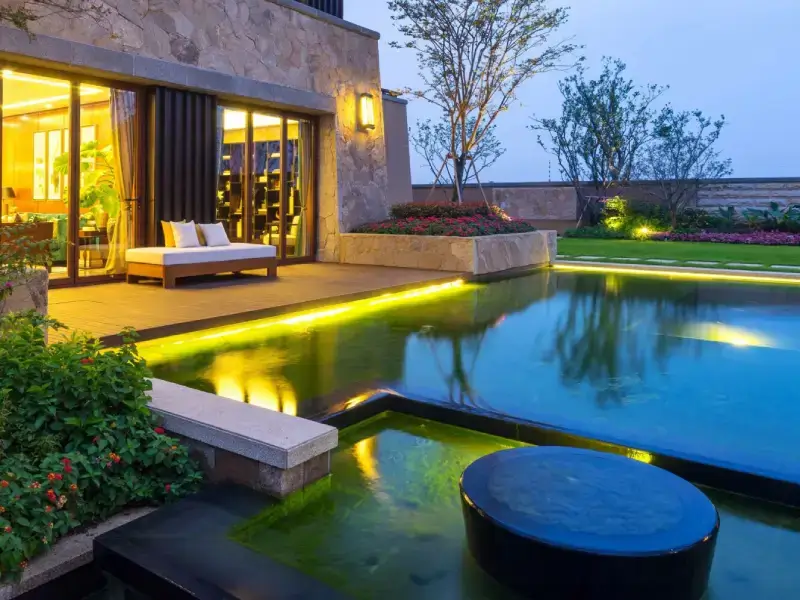
For wet features that also need daytime realism (hotel pools, show pools), RGBW beats RGB: a dedicated white chip gives true white for functional lighting and colour for evening shows. Designers often run the waterline in fixed white and save RGB for accent layers. See CCT og CRI forklaret for the technical background.
6. Strip vs Neon Flex: Which Product for Which Pool Feature
Two product families dominate pool lighting — IP68 silicone LED strip og LED neon flex. They complement each other:
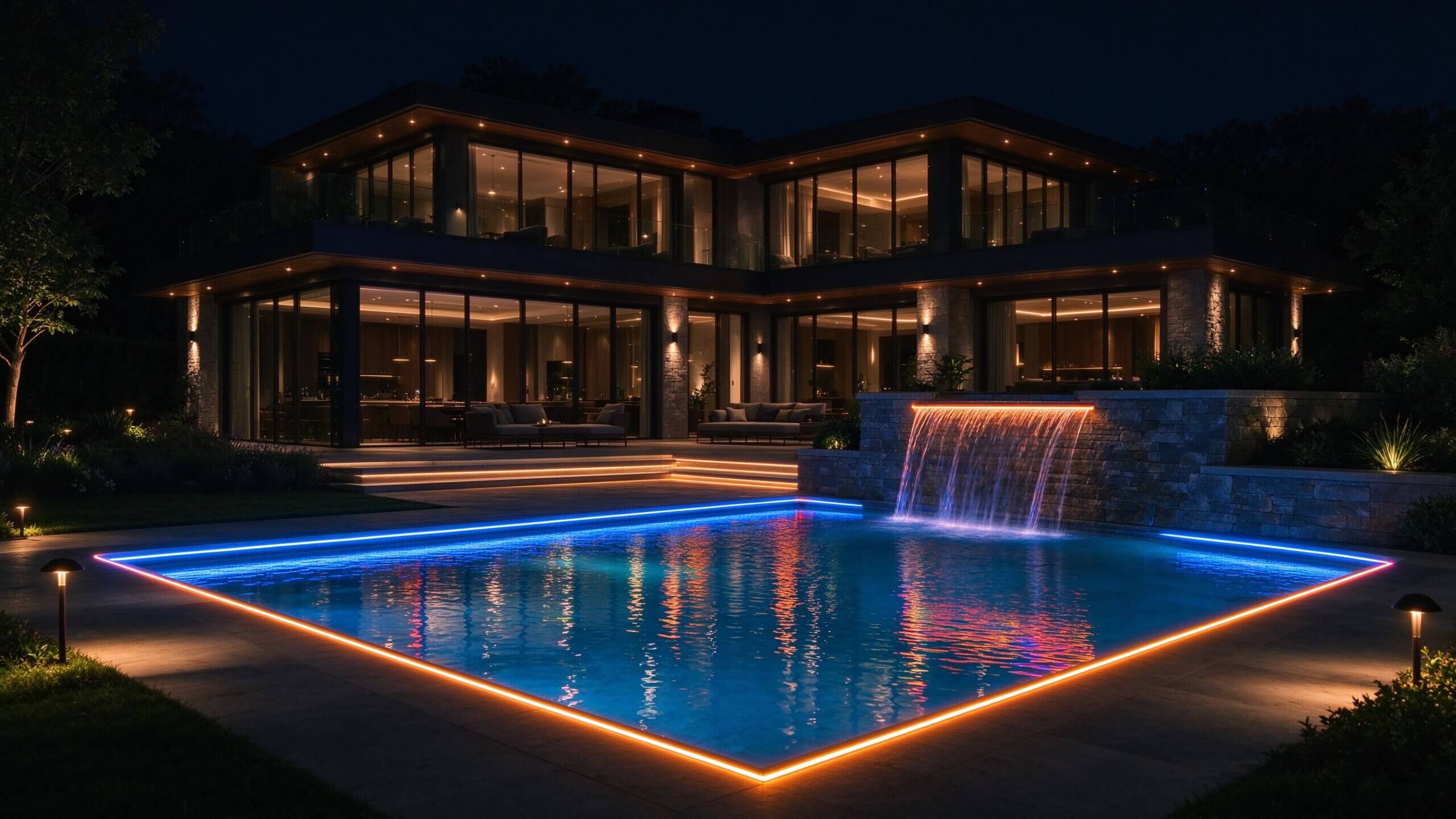
Selection checklist per feature:
- Steps and bench lighting → IP68 COB strip for a smooth, dot-free band.
- Pool wall/waterline outline → IP68 strip in a recessed channel or glued bead.
- Perimeter and waterfall accents → IP68 neon flex for a consistent 360° glow.
- Signage and deck detailing → neon flex, which bends into letters and corners cleanly.
Comparing COB vs SMD brightness and beam can help you decide — see our COB vs SMD sammenligning.
7. Step-by-Step Installation
A professional pool lighting install follows a strict order. Work with the pool empty, before water is introduced, and keep every connection dry:
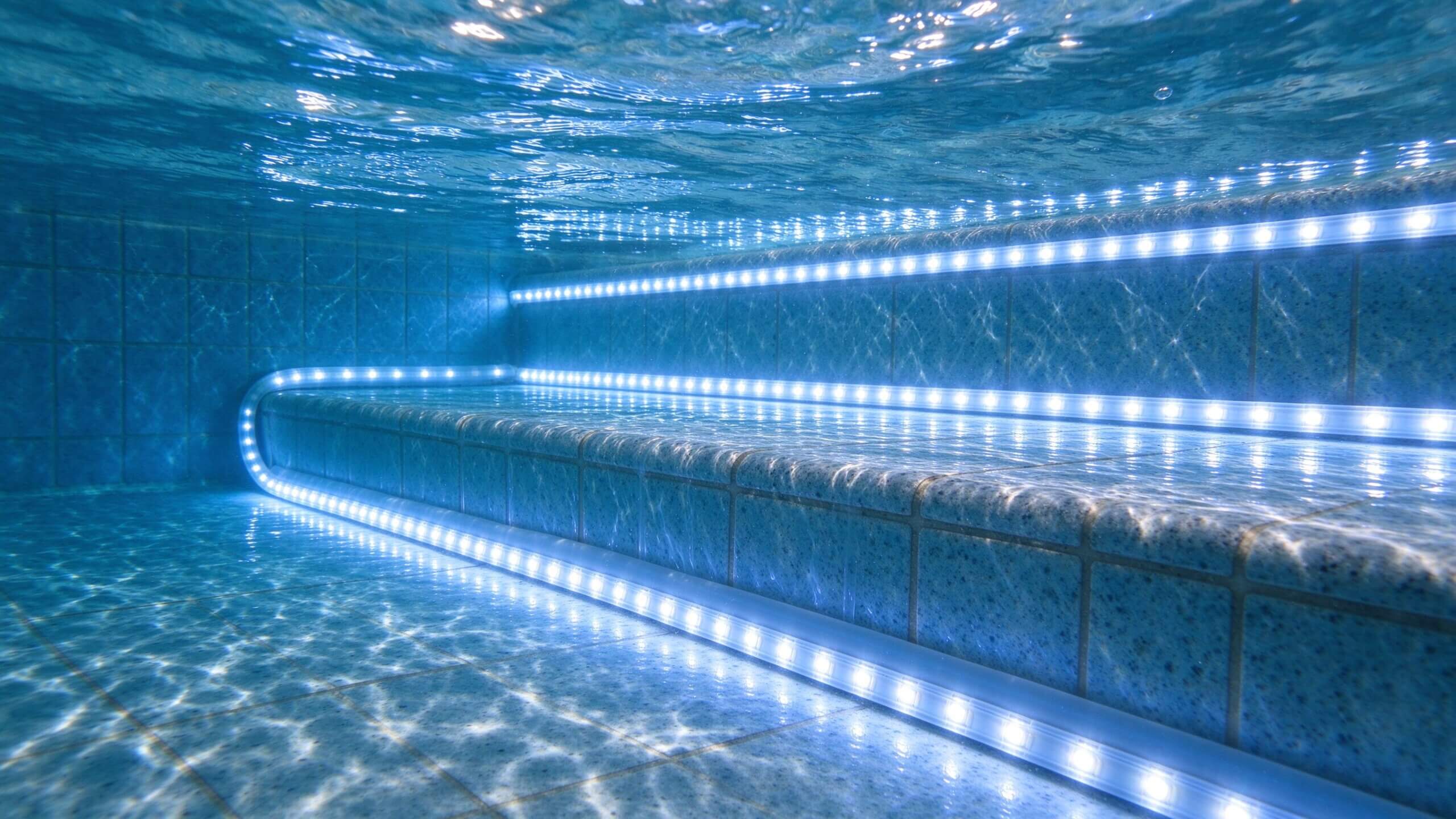
Den gyldne regel: everything that carries power ends at a dry point. If water can reach a joint, that joint will fail — eventually it will also be unsafe.
8. Testing in Phases
Reliable pool lighting is tested three times, in a specific order:
Keep a simple log of model, batch, circuit and location for each run. When something fails years later, that record tells you exactly which product and circuit to inspect.
9. Common Pool Lighting Mistakes
10. Recommended KayTai Products for Pool Projects
KayTai manufactures IP68 waterproof strip and neon flex lines engineered for wet environments — factory-sealed tails, silicone encapsulation and UV-stabilised jackets. For pool projects, these are the products to spec:
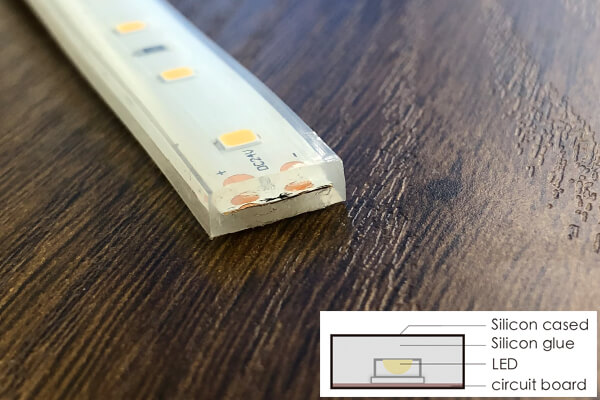
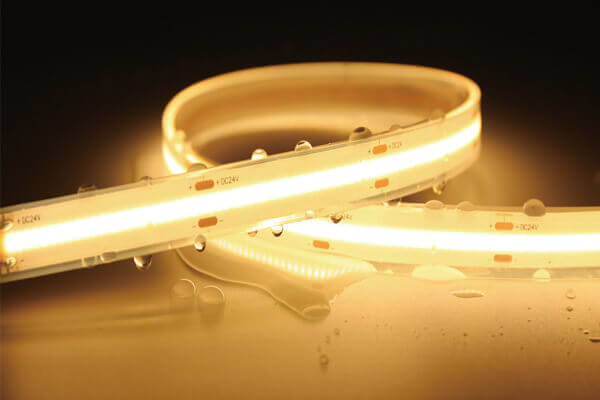
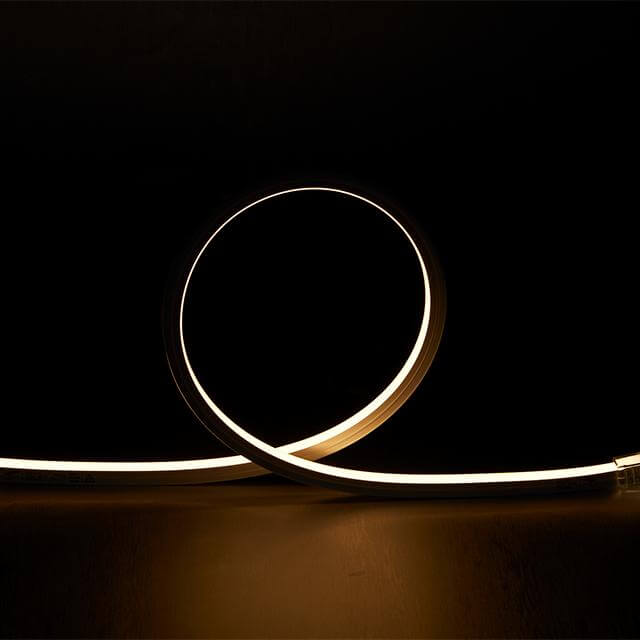
Every KayTai strip is factory-tested before shipment. For project specifications, drawings and samples, contact the KayTai team — we review the electrical, optical and mechanical requirements before recommending a product.
FAQ
Tell us the site conditions, dimensions and desired effect — KayTai will review the electrical and mechanical requirements and recommend the right IP68 strip or neon flex.
Kontakt KayTai