
Great gym lighting is more than bright ceiling lights. It keeps members safe, focused and motivated — and it makes your facility look premium. LED gym lighting is the standard today: efficient, flicker-free and built to last.
This guide covers light source comparisons, brightness levels per zone, colour temperature and a simple layout process — everything you need to light a gym right.
Table of Contents
LED vs Fluorescent vs HID: Light Sources Compared
Most gyms run on metal halide (HID), fluorescent or LED. The difference in running cost, light quality and maintenance is huge:
| Light source | Efficiency | Lifetime | Light quality | Maintenance |
|---|---|---|---|---|
| HID (metal halide) | Low | 10–20k hrs | Warm-up delay, colour drift | Frequent lamp + ballast swaps |
| Fluorescent | Medium | 15–25k hrs | Flicker, hum, fading | Tube and ballast replacement |
| LED | High (up to 90% saved) | 50k+ hrs | CRI 90+, no flicker, stable colour | Virtually none |
LED wins on every axis that matters in a gym: instant start, no flicker on video, consistent colour, and years without maintenance. Not sure which strip specs matter? Our LED strip light guide breaks down chips, CRI, voltage and cutting in plain language.
Why LED Linear Lighting Is Great for Gyms
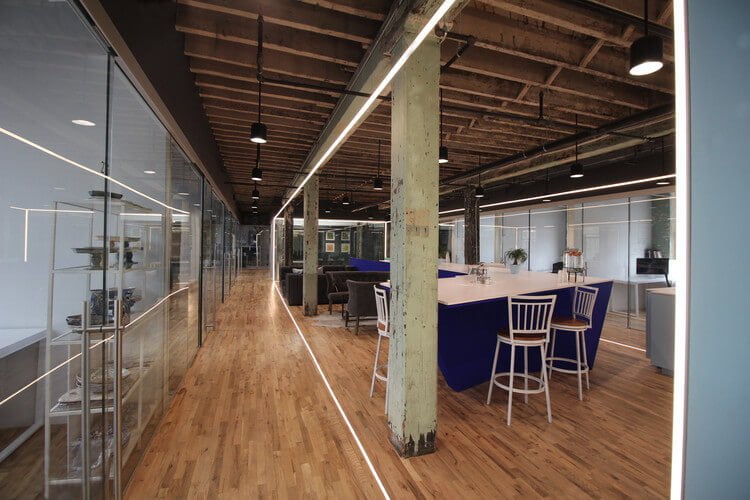
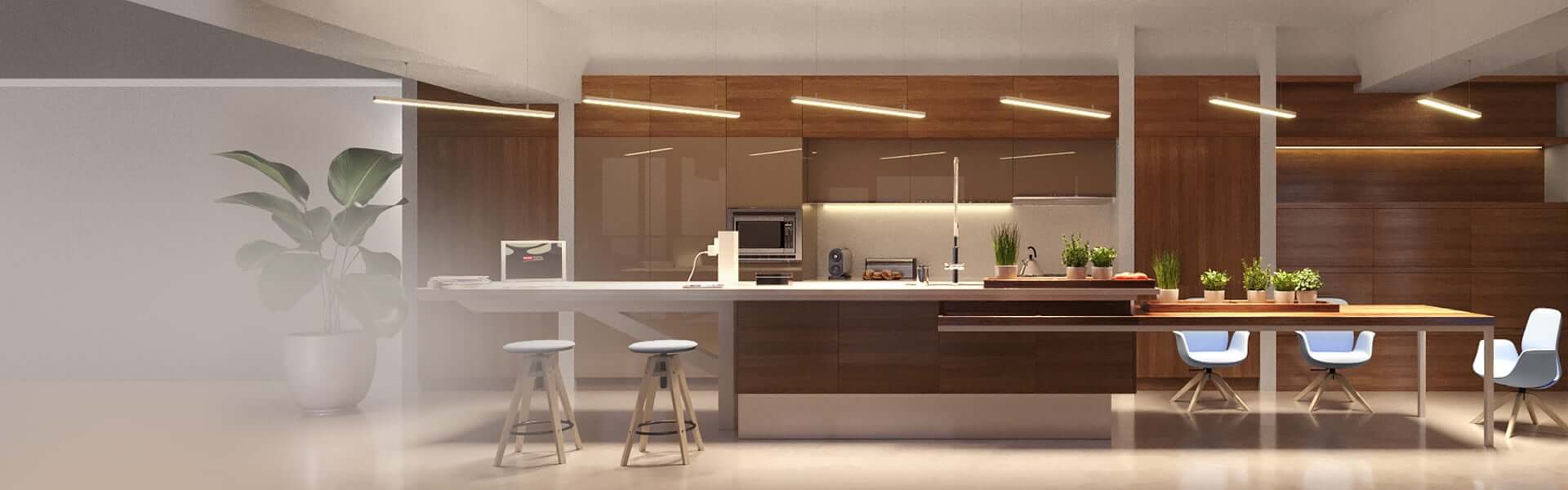
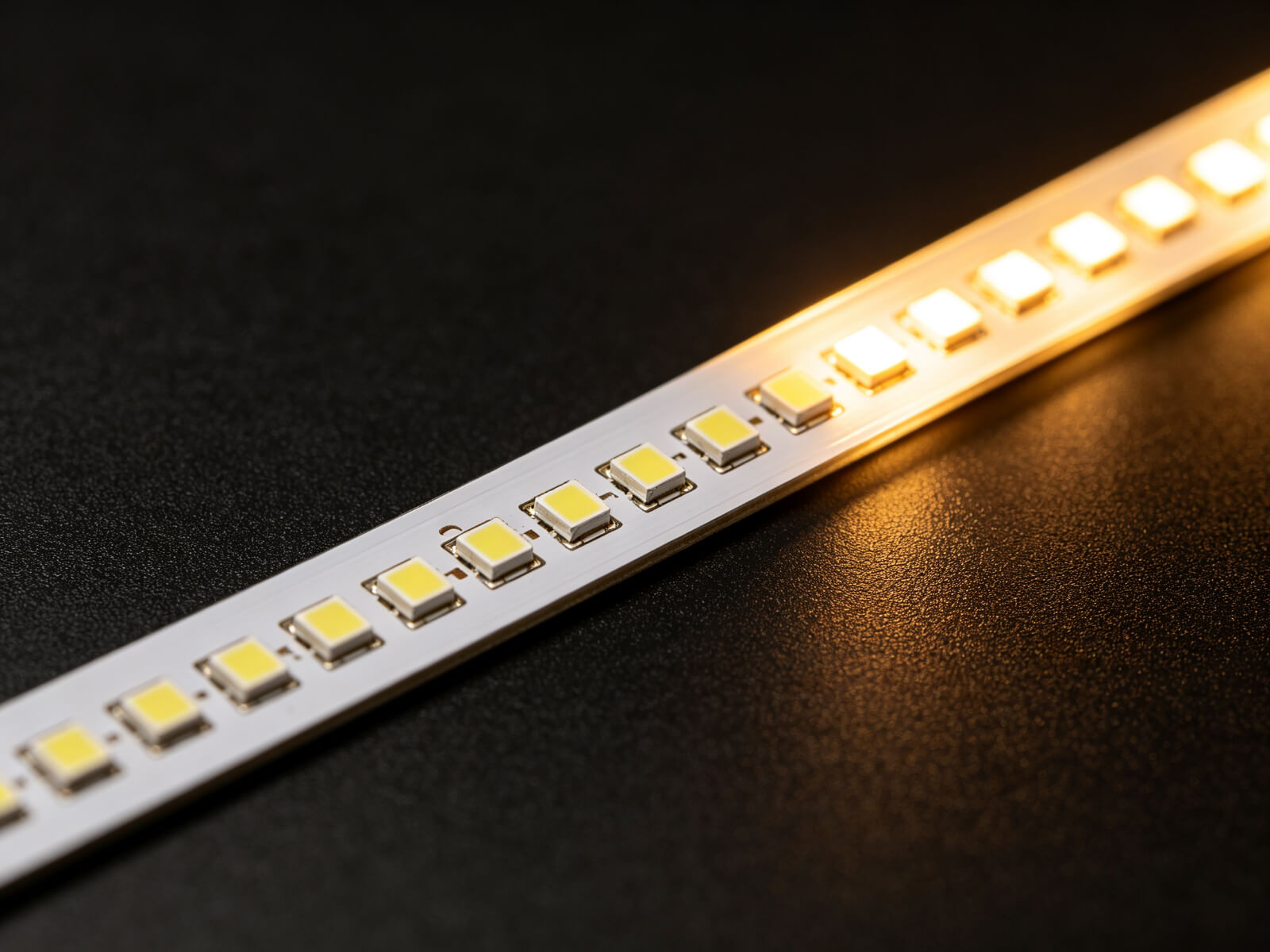
For gyms and fitness studios, LED linear lighting (an aluminum profile with a strip inside) is often the smartest choice — it delivers the even, glare-controlled light these spaces need at a fraction of the cost of commercial fixtures.
Uniform, Glare-Free Light
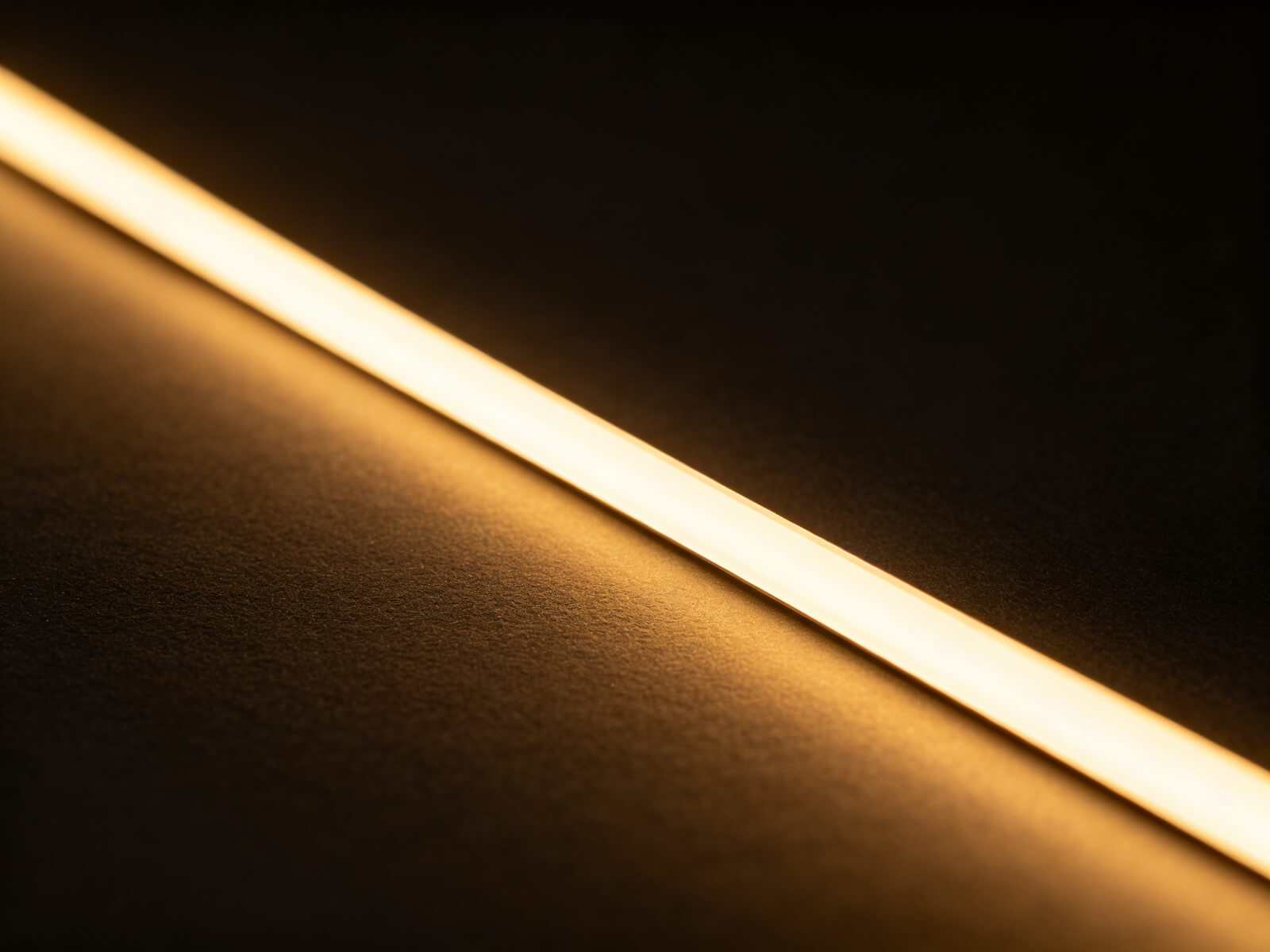
A frosted diffuser spreads light evenly — no hotspots reflecting off mirrors or machines.
Moisture-Proof Options
IP65 strips and sealed profiles survive showers, saunas and damp changing rooms.
Built to Last
50,000+ hour LEDs in a solid aluminum body — no tubes, no ballasts, no frequent swaps.
Energy Efficient
Up to 90% less energy than old lighting, with dimming to cut power further.
Zoned Atmosphere
Bright for training, dim and warm for recovery areas — all from one system.

Gym Lighting Zones & Brightness Levels
Different parts of a gym need different light. Here are practical brightness targets (in lux on the floor or task surface):
| Zone | Recommended level | Notes |
|---|---|---|
| Cardio & weight rooms | 300–500 lux | Bright, even and shadow-free for equipment use |
| Free weights & platforms | 500–750 lux | Extra light for spotting and safety near racks |
| Showers & wet areas | 100–200 lux | Soft and even; IP-rated fixtures required |
| Lockers & changing | 150–300 lux | Clear visibility with a calm, clean feel |
| Reception & lounge | 100–200 lux | Warmer, relaxed ambience |

Colour Temperature & CRI
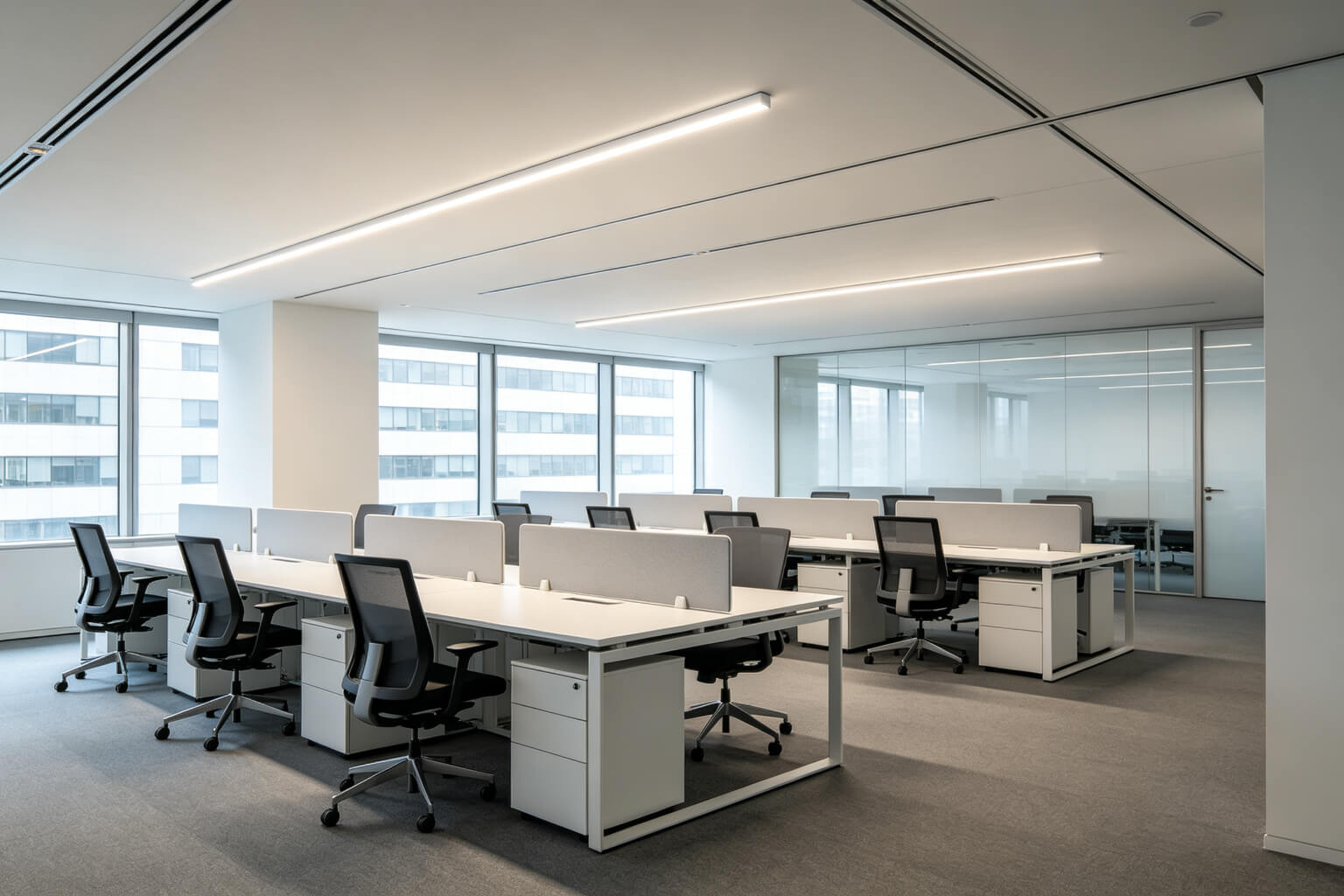
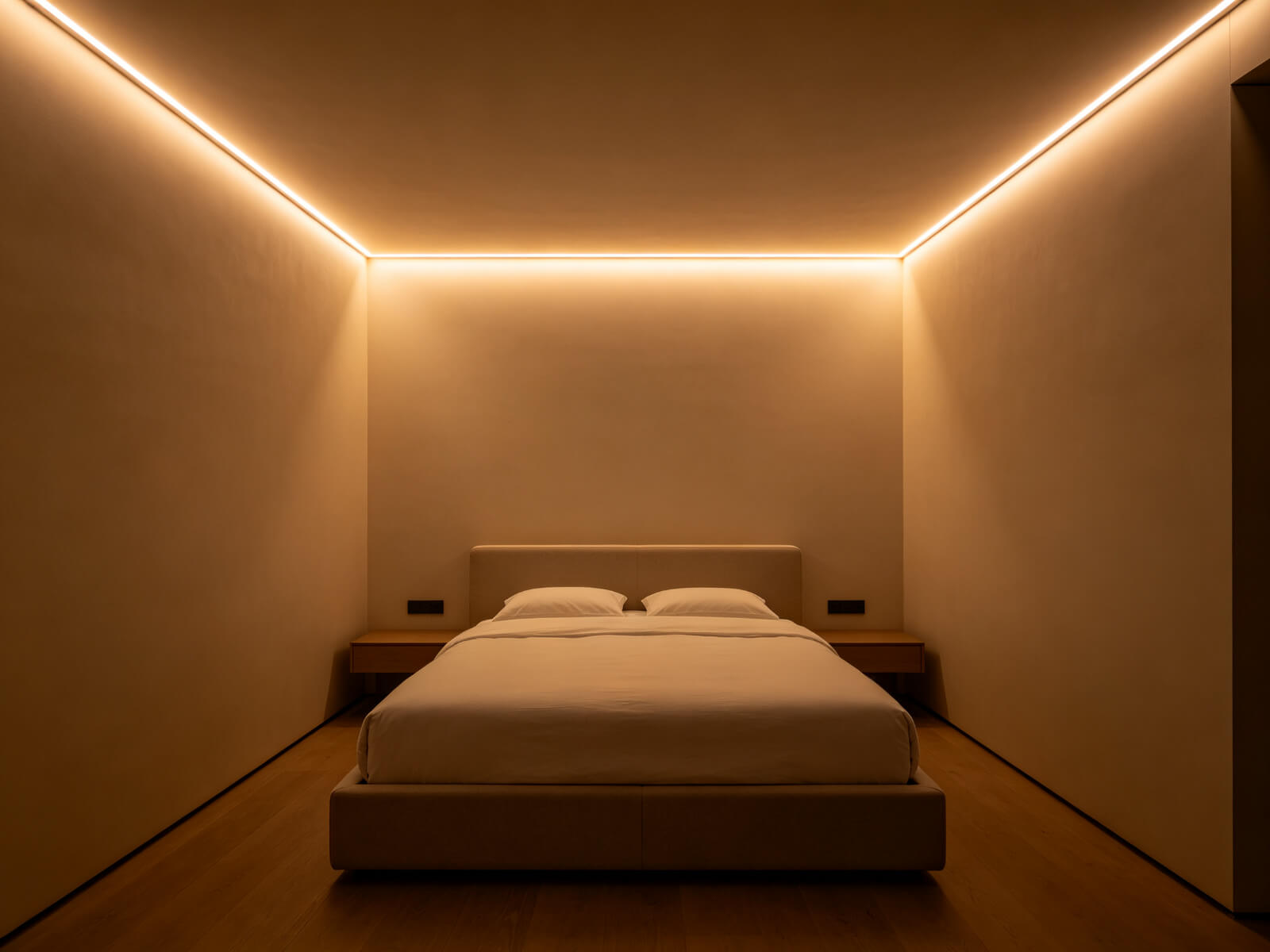
Colour temperature sets the energy of the space. Gyms mostly live in the cool-to-neutral range, with warmer tones for recovery zones:
Choose CRI 90+ so skin tones, equipment and signage look natural, and match one colour temperature per zone for a professional finish.
How to Design the Layout
A simple five-step process gets uniform light with no dark corners:
Measure the Floor
Record the gym length, width and ceiling height — they drive everything else.
Set the Lumens
Use the height guide: 10k–15k lm for 12–15 ft, 16k–20k lm for 15–25 ft, 33k lm for 25–35 ft.
Plan the Spacing
Spread runs evenly across the floor; equal spacing means even light.
Layer the Zones
Add task light over racks and platforms, and dimmable accent lines for lounges.
Match Mount & Controls
Choose surface, recessed or suspended profiles, then add dimming and sensors.


Common Mistakes to Avoid
- Bare LEDs without diffusers — exposed dots create glare on mirrors and machines; always use a frosted cover.
- Too much glare — bright fixtures in the line of sight cause discomfort; control UGR with optics and angles.
- Ignoring moisture zones — showers and saunas need IP65+; standard strips fail fast in wet air.
- Mixed colour temperatures — a 3000K corner beside a 5000K floor looks unprofessional; keep zones consistent.
- Undersized power supplies — measure the full run and size drivers at 120–130% of load.
- Skipping dimming and sensors — automatic dimming cuts energy by up to 60% in low-traffic hours.
Gym Lighting FAQs
▶How many lumens do I need for a gym?
A practical guide: 10,000–15,000 lumens for 12–15 ft ceilings, 16,000–20,000 for 15–25 ft, and around 33,000 lumens for 25–35 ft. In lux terms, training floors want 300–500 lux and free-weight zones 500–750 lux.
▶Are LED gym lights worth the higher upfront cost?
Yes. LEDs use up to 90% less energy than HID, last 50,000+ hours with no tube or ballast swaps, and pay back the difference in running costs and maintenance within a couple of years.
▶How high should I mount LED lights in a gym?
For linear profiles: surface or recessed runs on ceilings up to 12 ft; suspended lines work best from 12–25 ft, keeping the optical plane below beams and ducts.
▶Do I need IP-rated lighting in the showers?
Yes. Showers, saunas and wet changing areas need IP65 or higher strips and sealed profiles to withstand steam and moisture. Standard indoor strips will fail quickly there.
▶Can gym lighting be dimmed automatically?
Yes. Pair DALI or 0–10V dimming with occupancy sensors and schedules — lights stay bright during classes and automatically dim in empty hours, saving energy.
Ready to Light Your Gym?
Send us your floor plan, ceiling height and training zones — our factory team will design the linear lighting layout and quote the complete package, free samples included.
Contact KayTai
Solid gym lighting guide. The CRI recommendations for fitness spaces make a real difference to how the space looks on camera and in person. The layout suggestions for ceiling strips are practical for our boxing studio renovation.
Useful guide for anyone setting up a home gym. The section on avoiding glare during workouts is something most lighting guides miss. The suggested color temperature range was a good starting point for our space.
The ceiling vs wall mounting comparison is exactly what our gym fit-out needed. The advice on keeping luminaires away from the mirrored wall to avoid glare is a detail most lighting guides skip. The lux target for training zones feels right for our space.